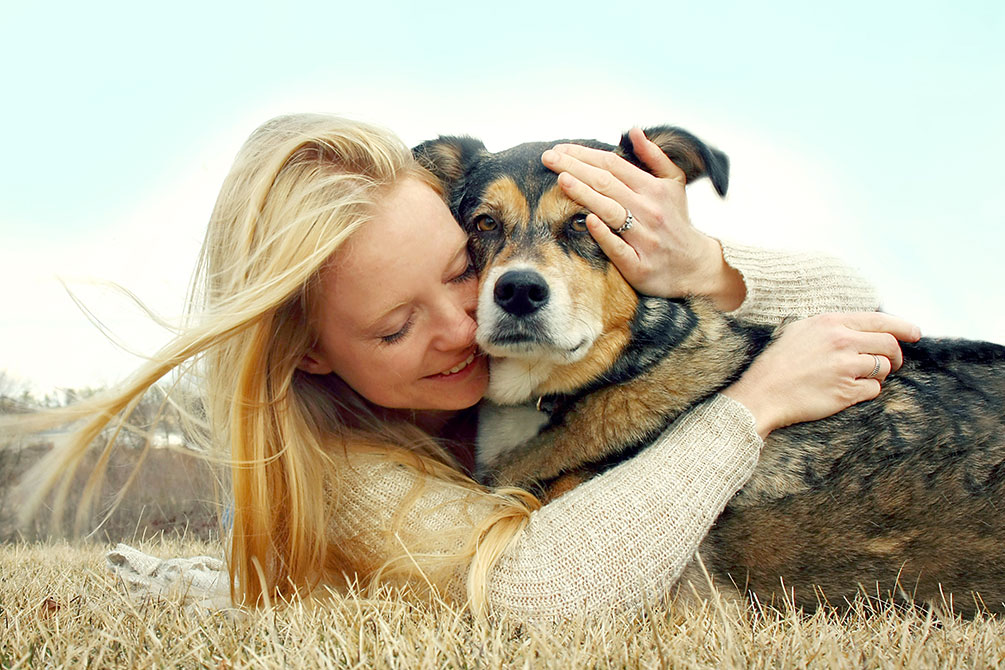
Fospice: Hospice for Dogs

There’s a new movement afoot – or should that be a-paw – in the world of animal fostering, and it all started with one person’s inspiration from the ASPCA’s end of life fostering program.

As a part of their comprehensive pet fostering program, the ASPCA sponsors a fospice (foster + hospice) program for animals who are either too young, sick, or injured to go to a forever home. While some of those pets will eventually recuperate and be adopted, there are those who are at the end of their lives due to age or terminal illness.  They deserve love and care at the end of their lives – doesn’t everyone?

Foster Dogs NYC

Sarah Brasky of New York decided that this was a truly rewarding idea and took the fospice concept and ran with it. She founded Foster Dogs NYC which finds and sponsors foster parents for dogs who are living out their golden years in less than optimal conditions. These sweet pooches may be in a shelter, at a rescue, or in danger of owner surrender. Sarah believes that these dogs deserve all the love, dignity, and medical care that a real family offers and her organization provides them with just that.

Foster Dogs NYC started out in 2009, when Brasky was fresh out of college, as a way to help connect rescue dogs with foster families that could give them temporary haven in order to save them from euthanization. Then, in 2013, Brasky added the Fospice program, specifically designed to address the needs of older and terminally ill dogs who need a place to live the rest of their months or years in comfort and peace. She took the ASPCA concept and embellished upon it, making it her own and adding some twists.

How It Works

When a foster parent takes a dog in through Foster Dogs NYC, the organization provides the animal with veterinarian care, supplies, and an array of fun and indulgent gifts from local NYC vendors. When you sponsor a pet through this amazing organization, you’re facilitating:

  • Assistance finding a dog in need a fospice family
  • A dog bed donation from Harry Barker
  • A private photo shoot for the dog and its foster owner so that the owner has a memento to remember his or her foster pet by
  • A 6-month subscription to BarkBox – a service that sends treats and toys to that special pet

Every company that Foster Dogs NYC partners with is based in New York, because supporting local business matters to Brasky.

In order to qualify for the fospice program, the animal must be elderly and/or terminally ill, in the custody of a non-profit 501(c)(3) rescue organization or a shelter, or be in danger of losing their home due to owner surrender.

Foster Dogs NYC doesn’t just serve the animals, they serve people too. The organization offers free Foster Workshops in order to help potential foster parents learn about fostering as well as dog health and care. These workshops are also open to anyone who wants to learn how to be a better dog owner. As a bonus, adoptable pooches also attend the workshops in order to socialize them and allow the attendees to see up close and personal how beneficial the program is for the animals.

Volunteers

Brasky’s group is always looking for volunteers to help spread the word and assist with adoption events, fundraisers, shelter visits, and educational workshops. Those who have the ability to assist with things like photography, event planning, and marketing are always in demand. If you’d like to help out you can check out their volunteer page here.

While Brasky’s fospice program was only able to sponsor five dogs per year in its first couple years, the organization obtained 501(c)(3) status in 2014 and has now been able to place over 20 dogs (and counting!). The worthy cause is growing every day and giving dogs without much time left the love, pampering, and care they deserve.

GreaterGood and the Animal Rescue Site

Dog and Cat in GrassGreaterGood is the retail side of the non-profit organization CharityUSA. The company sources and sells ethically produced products across a wide range of categories like clothing, jewelry, home décor, accessories, holiday items, and more. They even feature lines of fair trade and eco-friendly products.

CharityUSA donates a portion of their sales to a variety of worthy causes, depending upon what branch of the GreaterGood store you purchase from.

Some of the causes are:

The section of GreaterGood that means a lot to us is the Animal Rescue Site – a 3-50% of the proceeds from sales through this site go to buy food for rescue and shelter animals. Direct donations fund things like medical care, transportation, food, and emergency surgery for needy and sick animals. Not only that, but GreaterGood will not sell items that have been tested on animals, nor any product the manufacture of which involves wild or endangered animals in any way.

Where Does Your Donation Go?

When you donate or purchase a product through the GreaterGood Animal Rescue Site, the funds help real animals in real need. Charity partners of The Animal Site include the Humane Society of the United States, The Fund for Animals, the International Fund for Animal Welfare, and Rescue Bank.

Max was a German Shepherd rescued from the Tijuana streets and suffering from hunger and poor health. The Southern California German Shepherd Rescue gave Max a veterinary examination and discovered that he had a spleen tumor. Thankfully Max was able to get the surgery he needed due to a grant from GreaterGood.org. Plus, Max was placed with a forever family!

More on the Animal Rescue Site

This site for a good cause offers a bevy of ways to help, as well as fun features to play around with. The blog highlights a large selection of adorable animals via video – from deer, to fat puppies, to sweet little kittens. They also cover animal news from pet food recalls to heartwarming stories of pets saved from euthanasia in shelters.

Click on the “Free Actions” tab inside the Animal Rescue Site and you’ll be able to choose from a whole menu of options to help animals, at no charge to you – from a “click this button to donate food” link to the Shelter Challenge where you can choose from a list of shelters (or register your favorite!) and then vote for your choice of shelters for a chance to win part of a $100,000 grant for help with food and care of homeless pets.

Head over to the “Gifts That Give More” section and custom-choose the kind of donation you’d like to make – you can choose from everything from pet food for needy animals to medical care like vaccinations. Many donation choices offer a special free gift when you choose to donate to that specific cause – for example, give $25 to help with the care or transport of military war dogs and you’ll get a free American Flag for your car window.

When it comes to animal-related products, it’s tough to beat the GreaterGood Animal Rescue Site selection. From jewelry to clothing, and even footwear, there’s virtually nothing you can’t find to show your love of your cat or dog, or even better, as a gift for that special person. Nab a paw print muffin pan for extra-special morning treats, or for the foodie dog-lover in your life!

If you’re looking for an easy way to help animals across the globe, as well as in shelters right here in the U.S., GreaterGood makes it easy. From free ways to donate food to every pet-themed product you could hope for, the Animal Rescue Site is a win-win for visitors and animals alike.

The Value of Service Dogs

Dogs have been helping humans since ancient times. Both ancient Chinese and Roman artifacts depict dogs acting as guides to the blind or assisting people in other ways. This tradition of canine-human cooperation has persisted for tens of thousands of years, right up until today when we specifically train animals to be companions and assistants to people with disabilities.

Who Uses Service Dogs?

Anyone with a qualifying condition under the Americans with Disabilities Act may be eligible to apply for a service animal. Some common types of working dogs include:

  • Hearing
  • Seeing eye
  • Autism
  • Seizure alert
  • Mobility

Veterans

Argus Service DogThere are also organizations that provide animals to former veterans, including those with PTSD (Post-Traumatic Stress Disorder) as well as vets with injuries sustained in combat. One such organization is Argus Service Dog Foundation, co-founded by animal trainer and host of the CBS hit show “Lucky Dog” Brandon McMillan.

McMillan founded Argus along with Mike Herstik – a renowned trainer of military and law enforcement canines – and psychologist Eric Brotman, PhD. McMillan and Herstik came up with the idea after working with a vet named Tyler who had lost both his legs in combat in Afghanistan. The pair trained a dog to assist Tyler, who was having trouble with day-to-day tasks, and the experience made them realize that there was a huge need for these helpful animals in the lives of wounded American soldiers. Thus, Argus was born.

Autism

Service dogs can not only protect children with autism from bolting and getting lost, they can also provide a psychological anchor that gives the child security and helps them to function better and stay calmer in day-to-day life. Organizations like 4 Paws for Ability help kids with autism to obtain a service animal. They do ask that families participate in fundraising for their pet but they act as a partner in that effort, giving guidance and assistance along the way.

Benefits of Service Dogs

These amazing animals serve a number of functions in the lives of those with disabilities. Although the value of a service dog is incalculable, here are a few specific benefits of the heroic canines:

  • They provide disabled people with self-sufficiency. Because these animals are with the person 24 hours a day, helping them with everyday tasks, they offer the individual a sense of independence rather than having to continually request help from others just to accomplish day-to-day goals.
  • They can reduce caregiver costs. In some cases a service dog can completely replace a disabled individual’s daily helper. Because the skillfully trained pups can assist with tasks like shopping and household chores, the need for an assistant may be diminished or eliminated completely.
  • Canine companions provide a form of physical therapy. With interactive tasks like grooming or playing fetch, not only the dog benefits from the exercise but its owner does as well.
  • These animals offer unconditional love, and psychological support on days that might be hard for the person with disabilities. The emotional benefits of a devoted canine helper are difficult to quantify.
  • The dogs can improved a person’s social life as well. Disabled people often isolate themselves, or are trapped in their home because they lack the help they need to get out and about. Service dogs change all that by being the individual’s guide and personal assistant. These animals also tend to make it much easier to interact with other people because they generate interest and provide a topic of conversation.

While service dogs are very expensive to train (the total bill can run about $25,000), the advantages for both the owner and the animal are innumerable. Most organizations provide dogs at no cost to the recipient (although there are usually wait lists) and some, like 4 Paws for Ability, enlist the help of clients to raise funds to cover the cost of training. For those in need of one of these amazing companions, where there’s a will, there’s a way.

What Personality Type Is Your Dog?

Westie with BooksEvery dog owner knows that their pooch is one of a kind!

Our furry friends are just like people – no two are alike, and their personalities are what make them special. But what if you tried to describe your dog’s unique characteristics? Would she be a social butterfly, or a studious Einstein? Maybe he’s the class clown or the daydreamer.

Believe it or not, scientists have actually put this topic to the research test. By using information gathered through the Dognition.com website, researchers looked at the quality of dog cognition data in a paper published in the PLoS (Public Library of Science) titled Citizen Science as a New Tool in Dog Cognition Research. Even more interesting, this research is in line with previous work on the topic.

Here are some of the personality types used in the canine analysis:

  • Socialite – these dogs, not surprisingly, aren’t about the individual problem-solving thing. They get their pack (in other words – you! – their humans) to do the work for them.
  • Expert – because of their good memories, these dogs are able to take care of many of their own problems without the help of humans.
  • Ace – these pooches are not only socially savvy but intelligent enough to exercise skilled problem-solving.
  • Maverick – these dogs bear a strong cognitive resemblance to their wolf relatives. They are fiercely independent and able to tackle a range of tasks on their own.
  • Protodog – this group is smart and skilled, but savvy enough to know when it’s prudent to get human help.
  • Renaissance dog – this category encompasses the pooches who know moderation is key. They score equally as well in all five cognitive measurements.

This is just a sampling of the cognitive types used to parse the doggy data. Check out Dognition for more info, including how to interact with your pup in order to nail down their unique personality traits.

While the PLoS piece was definitely geared toward evidence-based scientific methods, LittleThings.com has a different perspective on the matter of dogs’ personalities. They assert that your pup’s sleeping position is an indicator of his or her cognitive bents. So how do the different snoozing practices measure up?

  • Side sleepers emanate a sense of peace and utter, complete trust in their people and environment. They tend to be very loyal and happy about life in general.
  • The fox curls up with his paws underneath him and his tail wrapped all the way round his body, back up to his face. He is protecting his vital organs and preserving his body heat. These pups are sweet, gentle, and loving.
  • Crazy legs is that dog who is supremely confident in who he is and isn’t afraid to assume the most vulnerable position a canine can possibly take – belly up. He is relaxed and independent.
  • Super pup is that enviably energetic dog who wants to be at the ready whenever she needs to pop up and play. So sleeping like Superman makes total sense!
  • Passed out describes those totally adaptable, laid-back pooches who feel comfortable and confident wherever they are. They’ll typically lay flat on their back, often lifting their legs straight in the air!

These descriptions should give you a pretty good idea where your sweet little Fluffy sits on the personality scale, but if these aren’t enough to satisfy your curiosity, head on over to BarkPost and take their dog personality quiz. For a fun twist, they also have a tweaked version that helps you determine how your precious pooch would fare out in the wild.

In the end, your canine friend is who he is and the only thing that really matters is the joy and love he brings to your life!

National Mill Dog Rescue

National Mill Dog Rescue is an organization doing amazing work – 10,000+ rescued mill dogs worth of amazing. The Peyton, CO based 501(c)(3) was established in 2007 by Theresa Strader, all because of one sweet, neglected little Italian Greyhound named Lily.

About Lily

Lily - National Mill Dog RescueLily spent the first seven years of her life in servitude to breeders. Like many mill dogs, Lily was expected to produce lucrative puppies without so much as a veterinary checkup in return. Due to this horrifying treatment Lily suffered the effects of multiple health problems – from the degenerated roof of her mouth and lower jaw to tumors throughout her mammary glands. She was worn out, used up, and terrified of humans (justifiably so).

Finally, poor little Lily’s luck turned when Strader rescued her along with a dozen other abused dogs from a dog auction in Missouri. Strader, despite being a veteran of the dog rescue scene, vouches that the months after bringing Lily home were an eye-opening experience even for her. Yet even with her horrifying start in life, Lily thrived on the medical care and love she received and eventually allowed humans into her heart. She passed away in peace in the loving arms of family in May 2008.

It is in Lily’s honor that Strader and her team of volunteers have continued the work of saving these precious creatures from a caged life of fear and pain. Strader is determined that her sweet pup’s life of suffering will not be in vain, and thus far she has excelled at accomplishing that goal.

NMDR Facts

The rescue runs on 95% volunteer power. Volunteers number over 800, and the only paid staff are a veterinarian, three veterinary technicians, kennel cleaners, a rescue coordinator, an adoptions manager, a foster care manager, two part-time office staffers, and an accountant.

NMDR makes dog runs twice a month and takes in over 70 neglected animals each trip (half of whom are transferred to partner rescues nationwide). In 2011 Petco gifted the rescue with a Sprinter van to assist them in their dog rescue efforts.

It takes about 6-8 weeks to rehabilitate a mill dog, and the average age of the animal taken in by the rescue is seven years, although among the 100+ dogs available for adoption on the website, ages range from under a year old up to senior pets.

Adopting from NMDR

Strader runs a tight ship in order to ensure that her pups go to good, loving homes. While the adoption requirements are strict, this helps ensure that these animals who have already gone through so much don’t have to endure more suffering in life. Some of the non-negotiables include:

  • Yard must be fenced (occasionally – rarely – we will place a dog in a condo or townhouse with a small outside area)
  • Dog must be an inside pet (no outside dogs)
  • Dog will not be chained
  • Adoptive families must adhere to local pet laws and maintain routine medical care and treatment
  • Safe collar with ID tags must be worn at all times
  • If something happens that causes the adoptive family to need to return the dog, the dog must be returned to NMDR

The work that National Mill Dog Rescue does is heartbreaking, heartwarming, physically and emotionally demanding, and everything in between. But it’s paying off. In addition to the more than 10,000 dogs who have been given a new lease on life since 2007, the organization has received much media attention as well as being named one of the best non-profits of 2015 by GreatNonprofits.org.

If you are in the market for a new dog, please consider adopting one of their available dogs.  There are things you can do to help, even from afar. Visit the NMDR website for more information.

Can You Teach an Old Dog New Tricks?

Training Senior DogWe’ve all heard the old saying “you can’t teach an old dog new tricks”. This idiom is often used as a commentary on the fact that you can’t change people, but its origin was indeed a reference to actual aged canines. In 1523 an Englishman named Fitzherbert, in his book on animal husbandry, cautioned that dogs must be taught when they are puppies otherwise it will be too late (in so many words…the original phrasing was old-timey English with all sorts of funky spelling, of course).

While people have come to accept this phrase’s truth with regard to both dogs as well as humans, it only took four days of training for Discovery Channel’s “Myth Busters” team Jamie Hyneman and Adam Savage to prove Fitzherbert’s theory wrong.  Are we really surprised??

According to certified dog trainer Michelle Mullins, aging may cause older dogs to learn a bit more slowly, but training can help keep their minds sharp and improve their quality of life. Older dogs may even be easier to train than puppies because their attention span is longer and they tend to have more self-control.

Things to Consider When Training an Older Dog

Physical limitations can have an impact on your dog’s training. Muscle or joint problems – such as arthritis (fairly common in mature dogs) – can affect their ability to do tricks that involve running, jumping, or repetitively lying down. That doesn’t mean you can’t train them though! Choose alternative commands like speak, heel, or shake. Some older dogs may also have vision or hearing problems. If your dog’s sight isn’t the greatest, they can still be taught to respond to voice commands, and for the hard of hearing dog, you can convert oral commands to hand signals.

Mental challenges can also pose an obstacle for your pet. Just like humans, old dogs can develop cognitive issues like anxiety or memory problems. In addition, their sleep behaviors may change. These challenges can usually be worked around; just exercise extra patience with your pet and show him lots of love and compassion.

When training your older dog, start by rewarding his response with praise, then a small treat. You want him to eventually obey commands with only praise as a reward (too many treats can cause stomach upset and put extra weight on your beloved pup at a time when his metabolism is already slowing down!). Work with your dog for at least a few minutes every day (consistency is key) and give him about a month to learn his new habits.

Good Tricks to Start With

Where should you begin when training an older dog? Here are some great commands to start out with:

  • Speak
  • Dance (great for high energy, wriggly dogs!)
  • Shake
  • Kiss
  • Crawl
  • Roll over
  • Get your leash
  • Drop (lie down)
  • High five

Training can also be used to discourage destructive behaviors, like digging, chewing non-toy household items, and excessive barking. The same principles apply – command, praise, reward, and patience.

Like any puppy, it will take some time for your dog to learn how to perform these unfamiliar actions. The important thing to remember is that while showing off your sweet pooch’s talents can be a fun part of the process, the real benefit to training your older dog is that you will forge an even stronger bond with him. In addition, he will get valuable brain stimulation and exercise that is great for his overall health.

If you run into roadblocks while trying to train your mature pup, don’t hesitate to consult a professional. Ask your veterinarian for their suggestions on any issues you may encounter. Most of all, have fun!

Simple Health Tips for Your Dog

Dog Health TipsAs pet parents, one of our primary concerns is keeping our animals healthy and happy, and helping to extend their lives as long as possible so they can enjoy all the fun life has to offer, and we can enjoy them for years to come.

Here are some simple health tips for your dog that can help keep your beloved canine happy and in tip-top shape.

Regular Veterinary Checkups

This is one of the easiest and most effective steps you can take to maintain your pet’s health. Routine vet visits not only allow you to keep your dog’s shots up to date plus prevent overpopulation by spaying or neutering, it also means potentially catching any health issues early on. Not only can early detection lead to better, more successful treatment, but it can also save you money because the longer you wait to treat your pet’s health problem, the more expensive and intrusive the treatments can become.

Good Quality Food

Just as with human food, not all dog foods are created equal. Unfortunately cheaper foods full of byproducts and fillers can be the pet equivalent of eating at a fast-food burger joint. By using high quality dog food you can help your pet have healthier skin, brighter eyes, and a shinier coat. In addition, nutrition-packed food boosts his immune system and mental sharpness, and makes for a more comfortable, healthier digestive tract. There are a few brands in particular recommended by Deborah Shores, DVM, including:

  • Blue Buffalo – Blue dog food is a very popular choice for all natural and holistic food for your pet
  • Wellness Natural Food for Dogs – for those who prefer a whole foods diet for their pet but don’t have the time to make the food from scratch, this is a good, reasonably affordable alternative
  • The Honest Kitchen – another option for health-minded pet parents, The Honest Kitchen produces freeze-dried dog food, including some low-allergen choices with non-traditional proteins like duck and healthy grains such as quinoa

Appropriate Feeding

Also as with humans, eating too much and not getting enough exercise can result in a variety of health problems. Obesity is a leading cause of nutrition-related conditions seen in pets, and can actually reduce your pet’s life span by up to two years. Potential issues caused by being overweight include heart disease, diabetes, and joint problems. Check here for proper feeding amounts.

Constant Supervision

Even though your dog may seem happy to run free every now and then, reserve this treat for the dog park. Roaming around unrestrained, and worse yet, unsupervised, can have a number of undesirable outcomes – your dog could be hit by a car, attacked by another animal, consume something poisonous (including plants, as many types of vegetation can make animals sick), exposure to disease, and more. In addition, your neighbors probably won’t be too thrilled with you if Rover relieves himself in, or digs up, their garden.

Oral Health

Dental care is just as important for your fur-babies as it is for your human children. Oral disease and other health issues of the mouth and teeth can cause your dog a considerable amount of discomfort, and impact his eating ability. Untreated, these problems can even cause heart or kidney disease. Your dog should have regular oral checkups, and you should brush his teeth at home. If getting your beloved pet to cooperate with this routine proves a challenge, there are various treats and toys that can help clean their teeth. Consult your vet for ideas.

Regular Grooming

Grooming your dog may seem it’s for superficial purposes only, but your dog will need regular baths and grooming.  If you have a long haired or thick coated dog, their hair or fur grows fast and needs to be kept neat and clean.  Regular brushing or de-shedding is helpful to avoid shaving your dog.  Depending on your dog’s breed and coat, grooming appointments can vary from every 4-8 weeks.  This also included nail clipping as you should never let your dog’s nails get too long.  They can curl and dig into your pet’s paw pad.  Your vet or groomer will typically do this without an appointment.  If you hear your dog’s nails tapping the floor, it’s time to get them clipped!  Consult your groomer for advice.

By following these simple tips for dog health care you can ensure your pet the longest, happiest possible life.

Please note that you should always consult you veterinarian for your dog’s healthcare advice and if you have any questions or concerns.

Dog Health Tips

Pet Subscription Box Craze

Fruit-of-the-month subscriptions used to make for great party joke fodder, but when it comes to pampering our pets, it seems that monthly goody deliveries are no laughing matter. The canine treat box delivery business has taken off in a way no one probably ever imagined possible, bringing health products, toys, and doggy treats right to your door each and every month. If you’ve considered ordering up a monthly stash of fun and tasty specialties for your pooch, we’ve got a look at the big three contenders in the arena.


BarkBox

barbox1This popular service is now practically a household name, despite being just four years old (that’s just an infant in dog years!). BarkBox has enjoyed crazy-high sales just a few years in, and for good reason. Not only do they deliver high-end products with free shipping, but they also donate 10% of their proceeds to animal rescues.

In a given month you will receive a box with 4-6 full-size items including things like a bag of high quality dog treats and fun stuff like a rope toy. You can choose from 1 to 12 month subscriptions ranging from about $20-30 per month depending on the plan you choose (they’re cheaper the longer you sign up for).

Some consider the price a little steep but the entire process is smooth – from the availability of an app, to the user-friendly interface of the website, plus tracking of your shipments. They offer multi-dog discounts but you will have to purposely cancel if desired, and no cat option is available.


PawPack

PawpackThey are geared more toward natural, eco-friendly doggy delights. PawPack is so confident you’ll like their products that they offer an allergy guarantee – if your dog has an allergic reaction to anything in his box, they send you a treat at no charge. As with BarkBox, your pooch will get 4+ premium products, plus some samples and discounts for their partner companies.

How much will PawPack set you back? A little more than BarkBox – $25-35/month depending upon which length of time you choose – 1, 6, or 12 months. But, they have stellar customer care, above average quality toys, and cat options are available. And again, like BB, they donate 10% of their sales to animal charities.


Surprise My Pet


>Surprise My PetThis newcomer, while times are still early (they launched at the beginning of 2015) is still a standout among the competition. One major reason for that fact is that they offer a “paw for paw guarantee” – this means if your dog doesn’t want to play with one of their toys or eat one of their treats, they’ll send you a free replacement.

Another thing that sets SMP apart is that they put 5-7 full-sized items into their boxes, as opposed to the competition’s 4-6. They also offer both cat and extra-small dog options, and their boxes are packed to the brim. On the downside there’s no customer care by phone. But it’s a wait and see with this brand-new company.


PoochPerks

Pooch PerksAnother shiny new up-and-comer to watch for is PoochPerks. They are a Miami, FL based company started by two pet moms who focus on all-natural treats and made in the USA products. The prices are steeper than the other main contenders, however – for a large dog it’s $20/month for a two to three item box, and $50/month for a six item box – with two more choices in between. The four size options are a twist that may end up as a lucrative niche, but time will tell.

One certainty is that for those who want to easily stock their dog’s treat cupboard and save some time perusing toys down at the pet store, life just got a whole lot more convenient!

Should You Get Pet Insurance?

Pet Health InsuranceAs a pet owner, it can be heart-wrenching to have to make a decision about your pet’s health, or even his life, based upon finances. Sudden illness or injury can trigger thousands of dollars in veterinary bills, and some pet owners simply do not have that kind of money lying around, regardless of how deeply they cherish their fur-baby.

As far back as 1980, with the founding of Veterinary Pet Insurance, by Jack Stephens, DVM, pet owners have had the option of insuring their pets against medical bills just as they insure themselves. Pet insurance companies have multiplied in droves since that time and now pet parents have a bevy of options from which to choose.

Things to Consider

Pet insurance is like people insurance in some ways; there are often deductibles, payout limits and networks of approved veterinarians and animal hospitals. You can also choose to get wellness/preventative care coverage if you wish. There are some key differences, however. Here are some things to take into consideration when shopping for medical insurance for your beloved companion:

  • You are usually required to pay your vet bill up front and file for reimbursement.
  • It’s common for pet insurance plans to restrict or exclude coverage for hereditary or congenital conditions like hip dysplasia.
  • If your pet goes through a particular illness or diagnosis, it may be excluded the next time you renew the insurance plan, or you may be charged extra for that condition.
  • There are often limits on annual and lifetime benefits, as well as individual limits for certain injuries or conditions.
  • Rover or Fluffy may be denied coverage if they’ve advanced past a certain age.

Along with these considerations, it can also be confusing to compare each company’s plans to each other, as benefits and limitations vary widely, so it can be like comparing apples to lawnmowers.

ConsumerAdvocate.org, which ranks the best companies and products based on real consumer ratings, lists the following pet insurance companies as the highest rated among customers:

  1. Healthy Paws – offers unlimited lifetime benefits with no claim caps, comprehensive accident and illness coverage, a free mobile app, no claims forms requirement, and you can choose to have an annual deductible
  2. Petplan – Philadelphia-based pet insurance company that has been in business since 1976, offers coverage for hereditary conditions like hip dysplasia, has benefits up to a $22,000 yearly limit, operates on the basis of a per condition per year deductible
  3. Trupanion – offers one plan that they claim covers 90% of veterinary bills, no accident and illness payout limits, renowned customer service, offers per condition deductibles (this works well if your pet has a chronic condition)

One thing you can do is to create a spreadsheet to help you compare costs and benefit amounts side-by-side. You should also read pet insurance reviews at sites like PetInsuranceReview.com, which also offers you the ability to pull quotes.

It’s also a good idea to consult your veterinarian on their recommendations, as well as ask family and friends about their experiences. Once you narrow it down, clear your choices with a quick Better Business Bureau check. Websites like Angie’s List can also be a boon to your research, as they offer customer ratings and a venue for complaints. Don’t forget to inquire whether your employer offers a discount on pet insurance as part of their benefits package – some do these days.

Whether or not you decide medical insurance for your pet is the right choice for you, remember that the most important thing you can do for your dog’s or cat’s health is to take them for regular vet visits. An ounce of prevention really is worth a pound of cure!

Row of Dogs & Cats

Never Feed These Foods to Your Dog

It’s no secret that chocolate is bad for dogs – even deadly in some cases. But there are many other food items that your dog shouldn’t have, and some of them will probably come as a surprise.  Protect your beloved pooch from these dangerous human edibles:

    • Alcohol – never give your dog alcoholic beverages. It can cause digestive upset, respiratory problems, tremors, coma, or – in extreme cases – death.
    • Avocado – even though it’s super healthy for humans, avocado (including the leaves and bark) contains a substance called persin, which is toxic to animals.
    • Chocolate (or coffee and any caffeine) – these contain something called methylxanthines, substances present in cacao seeds. These can cause digestive upset, excessive thirst, abnormal heart rhythms, hyperactivity, seizures, and possibly death. Dark chocolate is more dangerous than milk chocolate but it’s best to take stringent measures to keep all chocolate out of reach of your dog (take extra care at Halloween, when candy seems to be all over the place).
    • Citrus – the citric acid in all parts of citrus plants can cause central nervous system issues such as irritation and even CNS depression when consumed in large amounts. Don’t fret too much if your dog eats a piece of the actual fruit – it may upset his stomach but probably won’t hurt him.
    • Coconut (or coconut oil) – when ingested in large amounts the oils in coconut can cause diarrhea and an upset stomach. A very small amount of coconut oil, however, administered once in a while, can help fight off skin irritations caused by fleas or eczema, as well as boost the immune system. Just use in moderation.
    • Fat trimmings and bones – it’s instinct for some people to toss the meat scraps to their dogs. After all, canines’ natural diet is meat, right? Unfortunately the fat found on meats that humans eat can cause pancreatitis in dogs. The bones can break up into splinters and cause serious damage to your pet’s digestive tract.
    • Macadamia nuts – these are exceptionally bad for dogs, causing vomiting, depression, tremors, and hyperthermia. You will usually notice symptoms within 12 hours of consumption, and they can last up to 3 days. Store macadamia nuts up high, out of reach of your precious pooch.
    • Milk and dairy – these seem harmless enough but your furry friends do not have the lactase needed to break down the lactose contained in dairy products. This means that they can get an upset stomach or diarrhea from anything containing milk.
    • Raisins or grapes – we don’t yet know enough about the toxic substance contained in this fruit, but we do know it can cause kidney failure. Better safe than sorry with dogs and grapes or raisins.
    • Raw eggs – while dogs do have short tract digestive systems, which means that foods pass through them much more quickly than in humans and allows them to tolerate things we could not eat without harm – your dog can still get salmonella from raw eggs, just like you can. There is also a chemical in raw eggs that interferes with your pet’s ability to absorb one of the B vitamins.
    • Xylitol – you probably wouldn’t think to be on the lookout for this sweetener, but even though it’s ok for humans, it can cause a release of insulin in your pet, which causes hypoglycemia and eventually liver failure. Symptoms may be vomiting, loss of coordination, and lethargy, progressing to seizures. Watch for this substance in candy, toothpaste, and gum.

There are many other foods that are bad for your dog, such as garlic and onions, nuts, and yeast dough. If you know – or suspect – that your pet has ingested one of the foods on this list, call your vet immediately or contact the ASPCA Animal Poison Control Center at (888) 426-4435.

OUR STOREBeing Pawsitive is a print on demand shop for all animal lovers, vegans, and free spirits
CUSTOMER SERVICESWe pride ourself on customer satisfaction. View our policies and reach out with any questions.

Subscribe to Our Newsletter!

Subscribe

* indicates required

Intuit Mailchimp

Copyright© 2025 Being Pawsitive. All Rights Reserved. 

Add to cart