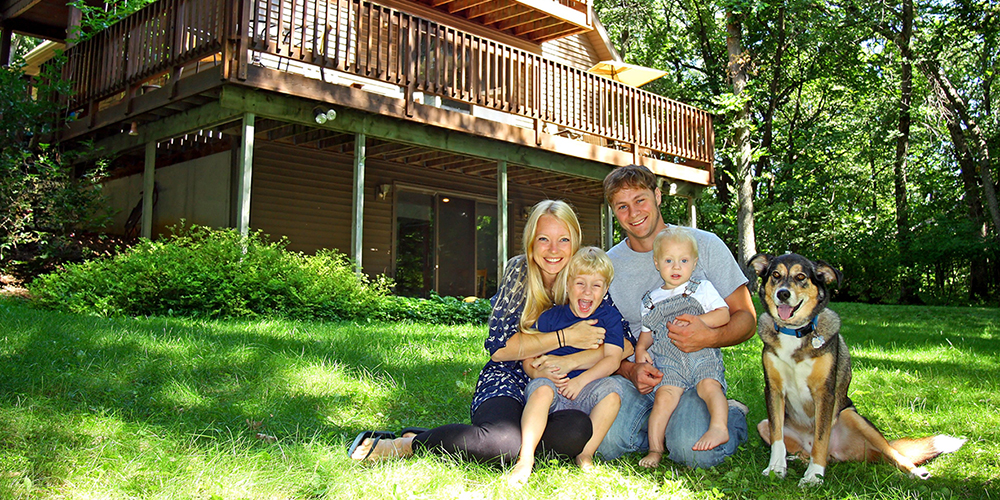
Tips for the New Dog Parent

You’ve planned and researched and searched and anticipated; now you’ve found the perfect new dog for your family and she or he is finally coming home (rescued, of course). This is a very exciting time for both you and your pet, and it can also be a period of some stress for the animal as they adjust to a new environment. Even if the dog is a puppy and hasn’t been raised for years in another home, he will still be very worked up, excited and happy – yes, but also may experience some anxiety.

We have some new helpful dog parent tips to make the transition easier and help you get a good start on your journey as a pet owner.

Before Your Dog Comes Home

Just as when you’re having a human baby, your work in dog parenting starts even before the precious furry bundle arrives at the house. Some things you’ll want to do ahead of time include:

  • Puppy-proofing the house – particularly if your dog is a baby, he will get into plenty of mischief and you will want him to be in a safe environment. Put chemicals out of reach, make sure your plants aren’t poisonous to pets, stow breakables away for now, and install baby gates if you intend to use them.
  • Deciding on crate training – for puppies this is usually the best option, and starting young means they’ll get used to it easily. High energy breeds often do better crated at night so that they can’t get into trouble that may harm them. Choose a crate that’s large enough for your pet to stand up and turn around in, but not so big that they can get out of hand.
  • Equipping yourself with supplies – aside from dishes, leash, and toys, you’ll also want to make sure you have the same food the dog has been eating at his previous home. If you want to switch brands this should be done over a period of time, not all at once – especially when the dog’s digestive system may be going through some upheaval with the transition of homes.

After Your Pup’s Arrival

Whatever training method you’re going to use should be implemented immediately. Do not wait until the dog “gets used to his new home” or “matures a bit”. Dominance must be established from day one, for his sake as much as for yours.

Introduce your beloved new pal to his potty area right away. Keep in mind that due to the stress of changing environments he may have some accidents at first, even if he was already housebroken. Don’t worry, just be consistent and continue showing him the proper place to eliminate, along with rewarding him with positive attention and praise when he does it right.

Don’t bring strangers around your new pet too soon. They need some time to calmly observe and learn the routine you’re establishing for their daily life. Likewise do not storm the dog park in the first few days or let neighborhood children overwhelm your new dog.

Down the Road

It may take a few weeks for your dog to acclimate to his new surroundings and learn to trust each member of the family. Don’t get discouraged at setbacks, and don’t hesitate to consult your veterinarian about trainers or any health concerns you may have. Good training, consistency, patience, and lots of love are the keys to establishing a good foundation with your precious pet. Invest the time and effort into making a great start and your dog will reward you with unconditional love and years of joy.
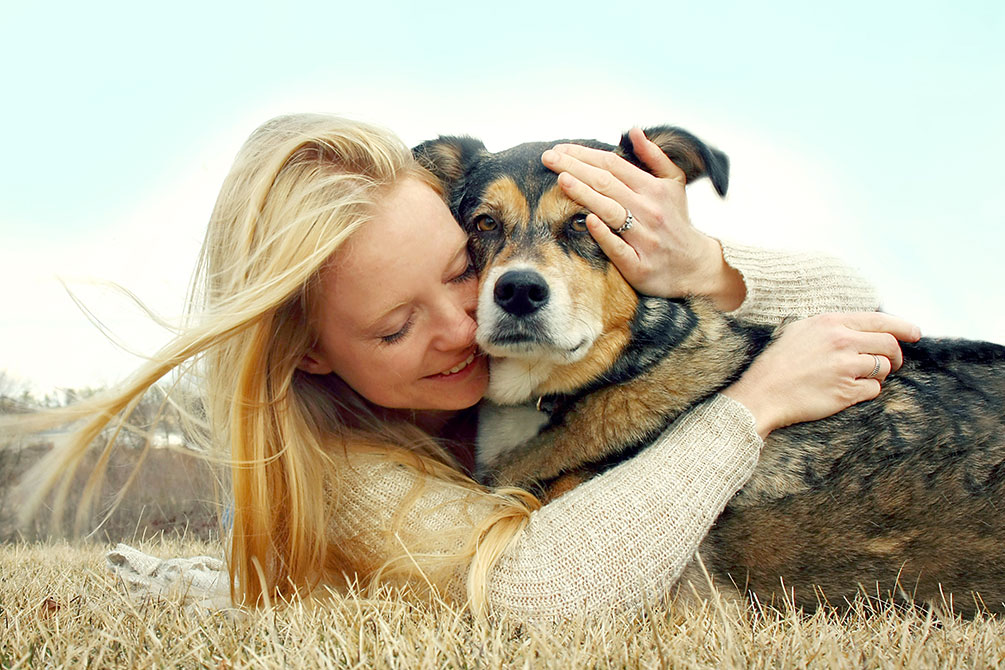
Fospice: Hospice for Dogs

There’s a new movement afoot – or should that be a-paw – in the world of animal fostering, and it all started with one person’s inspiration from the ASPCA’s end of life fostering program.

As a part of their comprehensive pet fostering program, the ASPCA sponsors a fospice (foster + hospice) program for animals who are either too young, sick, or injured to go to a forever home. While some of those pets will eventually recuperate and be adopted, there are those who are at the end of their lives due to age or terminal illness.  They deserve love and care at the end of their lives – doesn’t everyone?

Foster Dogs NYC

Sarah Brasky of New York decided that this was a truly rewarding idea and took the fospice concept and ran with it. She founded Foster Dogs NYC which finds and sponsors foster parents for dogs who are living out their golden years in less than optimal conditions. These sweet pooches may be in a shelter, at a rescue, or in danger of owner surrender. Sarah believes that these dogs deserve all the love, dignity, and medical care that a real family offers and her organization provides them with just that.

Foster Dogs NYC started out in 2009, when Brasky was fresh out of college, as a way to help connect rescue dogs with foster families that could give them temporary haven in order to save them from euthanization. Then, in 2013, Brasky added the Fospice program, specifically designed to address the needs of older and terminally ill dogs who need a place to live the rest of their months or years in comfort and peace. She took the ASPCA concept and embellished upon it, making it her own and adding some twists.

How It Works

When a foster parent takes a dog in through Foster Dogs NYC, the organization provides the animal with veterinarian care, supplies, and an array of fun and indulgent gifts from local NYC vendors. When you sponsor a pet through this amazing organization, you’re facilitating:

  • Assistance finding a dog in need a fospice family
  • A dog bed donation from Harry Barker
  • A private photo shoot for the dog and its foster owner so that the owner has a memento to remember his or her foster pet by
  • A 6-month subscription to BarkBox – a service that sends treats and toys to that special pet

Every company that Foster Dogs NYC partners with is based in New York, because supporting local business matters to Brasky.

In order to qualify for the fospice program, the animal must be elderly and/or terminally ill, in the custody of a non-profit 501(c)(3) rescue organization or a shelter, or be in danger of losing their home due to owner surrender.

Foster Dogs NYC doesn’t just serve the animals, they serve people too. The organization offers free Foster Workshops in order to help potential foster parents learn about fostering as well as dog health and care. These workshops are also open to anyone who wants to learn how to be a better dog owner. As a bonus, adoptable pooches also attend the workshops in order to socialize them and allow the attendees to see up close and personal how beneficial the program is for the animals.

Volunteers

Brasky’s group is always looking for volunteers to help spread the word and assist with adoption events, fundraisers, shelter visits, and educational workshops. Those who have the ability to assist with things like photography, event planning, and marketing are always in demand. If you’d like to help out you can check out their volunteer page here.

While Brasky’s fospice program was only able to sponsor five dogs per year in its first couple years, the organization obtained 501(c)(3) status in 2014 and has now been able to place over 20 dogs (and counting!). The worthy cause is growing every day and giving dogs without much time left the love, pampering, and care they deserve.

The Value of Service Dogs

Dogs have been helping humans since ancient times. Both ancient Chinese and Roman artifacts depict dogs acting as guides to the blind or assisting people in other ways. This tradition of canine-human cooperation has persisted for tens of thousands of years, right up until today when we specifically train animals to be companions and assistants to people with disabilities.

Who Uses Service Dogs?

Anyone with a qualifying condition under the Americans with Disabilities Act may be eligible to apply for a service animal. Some common types of working dogs include:

  • Hearing
  • Seeing eye
  • Autism
  • Seizure alert
  • Mobility

Veterans

Argus Service DogThere are also organizations that provide animals to former veterans, including those with PTSD (Post-Traumatic Stress Disorder) as well as vets with injuries sustained in combat. One such organization is Argus Service Dog Foundation, co-founded by animal trainer and host of the CBS hit show “Lucky Dog” Brandon McMillan.
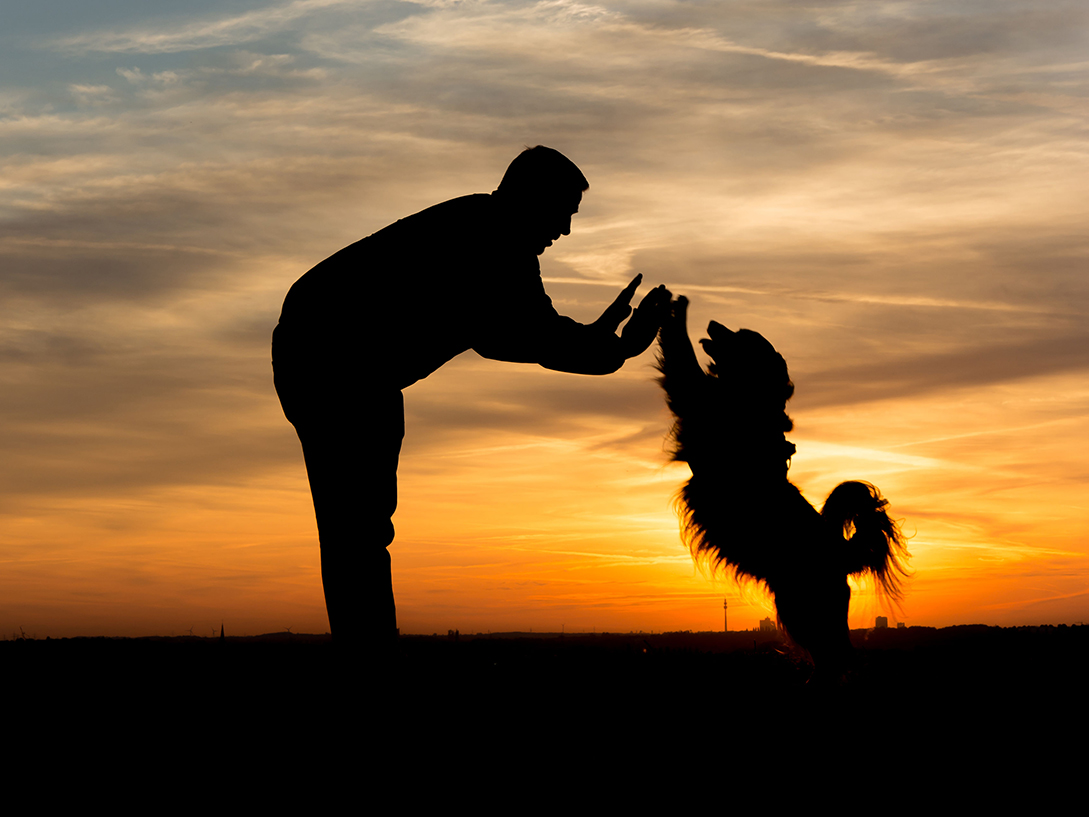
McMillan founded Argus along with Mike Herstik – a renowned trainer of military and law enforcement canines – and psychologist Eric Brotman, PhD. McMillan and Herstik came up with the idea after working with a vet named Tyler who had lost both his legs in combat in Afghanistan. The pair trained a dog to assist Tyler, who was having trouble with day-to-day tasks, and the experience made them realize that there was a huge need for these helpful animals in the lives of wounded American soldiers. Thus, Argus was born.

Autism

Service dogs can not only protect children with autism from bolting and getting lost, they can also provide a psychological anchor that gives the child security and helps them to function better and stay calmer in day-to-day life. Organizations like 4 Paws for Ability help kids with autism to obtain a service animal. They do ask that families participate in fundraising for their pet but they act as a partner in that effort, giving guidance and assistance along the way.

Benefits of Service Dogs

These amazing animals serve a number of functions in the lives of those with disabilities. Although the value of a service dog is incalculable, here are a few specific benefits of the heroic canines:

  • They provide disabled people with self-sufficiency. Because these animals are with the person 24 hours a day, helping them with everyday tasks, they offer the individual a sense of independence rather than having to continually request help from others just to accomplish day-to-day goals.
  • They can reduce caregiver costs. In some cases a service dog can completely replace a disabled individual’s daily helper. Because the skillfully trained pups can assist with tasks like shopping and household chores, the need for an assistant may be diminished or eliminated completely.
  • Canine companions provide a form of physical therapy. With interactive tasks like grooming or playing fetch, not only the dog benefits from the exercise but its owner does as well.
  • These animals offer unconditional love, and psychological support on days that might be hard for the person with disabilities. The emotional benefits of a devoted canine helper are difficult to quantify.
  • The dogs can improved a person’s social life as well. Disabled people often isolate themselves, or are trapped in their home because they lack the help they need to get out and about. Service dogs change all that by being the individual’s guide and personal assistant. These animals also tend to make it much easier to interact with other people because they generate interest and provide a topic of conversation.

While service dogs are very expensive to train (the total bill can run about $25,000), the advantages for both the owner and the animal are innumerable. Most organizations provide dogs at no cost to the recipient (although there are usually wait lists) and some, like 4 Paws for Ability, enlist the help of clients to raise funds to cover the cost of training. For those in need of one of these amazing companions, where there’s a will, there’s a way.

Can You Teach an Old Dog New Tricks?

Training Senior DogWe’ve all heard the old saying “you can’t teach an old dog new tricks”. This idiom is often used as a commentary on the fact that you can’t change people, but its origin was indeed a reference to actual aged canines. In 1523 an Englishman named Fitzherbert, in his book on animal husbandry, cautioned that dogs must be taught when they are puppies otherwise it will be too late (in so many words…the original phrasing was old-timey English with all sorts of funky spelling, of course).

While people have come to accept this phrase’s truth with regard to both dogs as well as humans, it only took four days of training for Discovery Channel’s “Myth Busters” team Jamie Hyneman and Adam Savage to prove Fitzherbert’s theory wrong.  Are we really surprised??

According to certified dog trainer Michelle Mullins, aging may cause older dogs to learn a bit more slowly, but training can help keep their minds sharp and improve their quality of life. Older dogs may even be easier to train than puppies because their attention span is longer and they tend to have more self-control.

Things to Consider When Training an Older Dog

Physical limitations can have an impact on your dog’s training. Muscle or joint problems – such as arthritis (fairly common in mature dogs) – can affect their ability to do tricks that involve running, jumping, or repetitively lying down. That doesn’t mean you can’t train them though! Choose alternative commands like speak, heel, or shake. Some older dogs may also have vision or hearing problems. If your dog’s sight isn’t the greatest, they can still be taught to respond to voice commands, and for the hard of hearing dog, you can convert oral commands to hand signals.

Mental challenges can also pose an obstacle for your pet. Just like humans, old dogs can develop cognitive issues like anxiety or memory problems. In addition, their sleep behaviors may change. These challenges can usually be worked around; just exercise extra patience with your pet and show him lots of love and compassion.

When training your older dog, start by rewarding his response with praise, then a small treat. You want him to eventually obey commands with only praise as a reward (too many treats can cause stomach upset and put extra weight on your beloved pup at a time when his metabolism is already slowing down!). Work with your dog for at least a few minutes every day (consistency is key) and give him about a month to learn his new habits.

Good Tricks to Start With

Where should you begin when training an older dog? Here are some great commands to start out with:

  • Speak
  • Dance (great for high energy, wriggly dogs!)
  • Shake
  • Kiss
  • Crawl
  • Roll over
  • Get your leash
  • Drop (lie down)
  • High five

Training can also be used to discourage destructive behaviors, like digging, chewing non-toy household items, and excessive barking. The same principles apply – command, praise, reward, and patience.

Like any puppy, it will take some time for your dog to learn how to perform these unfamiliar actions. The important thing to remember is that while showing off your sweet pooch’s talents can be a fun part of the process, the real benefit to training your older dog is that you will forge an even stronger bond with him. In addition, he will get valuable brain stimulation and exercise that is great for his overall health.

If you run into roadblocks while trying to train your mature pup, don’t hesitate to consult a professional. Ask your veterinarian for their suggestions on any issues you may encounter. Most of all, have fun!

Simple Health Tips for Your Dog

Dog Health TipsAs pet parents, one of our primary concerns is keeping our animals healthy and happy, and helping to extend their lives as long as possible so they can enjoy all the fun life has to offer, and we can enjoy them for years to come.

Here are some simple health tips for your dog that can help keep your beloved canine happy and in tip-top shape.

Regular Veterinary Checkups

This is one of the easiest and most effective steps you can take to maintain your pet’s health. Routine vet visits not only allow you to keep your dog’s shots up to date plus prevent overpopulation by spaying or neutering, it also means potentially catching any health issues early on. Not only can early detection lead to better, more successful treatment, but it can also save you money because the longer you wait to treat your pet’s health problem, the more expensive and intrusive the treatments can become.

Good Quality Food

Just as with human food, not all dog foods are created equal. Unfortunately cheaper foods full of byproducts and fillers can be the pet equivalent of eating at a fast-food burger joint. By using high quality dog food you can help your pet have healthier skin, brighter eyes, and a shinier coat. In addition, nutrition-packed food boosts his immune system and mental sharpness, and makes for a more comfortable, healthier digestive tract. There are a few brands in particular recommended by Deborah Shores, DVM, including:

  • Blue Buffalo – Blue dog food is a very popular choice for all natural and holistic food for your pet
  • Wellness Natural Food for Dogs – for those who prefer a whole foods diet for their pet but don’t have the time to make the food from scratch, this is a good, reasonably affordable alternative
  • The Honest Kitchen – another option for health-minded pet parents, The Honest Kitchen produces freeze-dried dog food, including some low-allergen choices with non-traditional proteins like duck and healthy grains such as quinoa

Appropriate Feeding

Also as with humans, eating too much and not getting enough exercise can result in a variety of health problems. Obesity is a leading cause of nutrition-related conditions seen in pets, and can actually reduce your pet’s life span by up to two years. Potential issues caused by being overweight include heart disease, diabetes, and joint problems. Check here for proper feeding amounts.

Constant Supervision

Even though your dog may seem happy to run free every now and then, reserve this treat for the dog park. Roaming around unrestrained, and worse yet, unsupervised, can have a number of undesirable outcomes – your dog could be hit by a car, attacked by another animal, consume something poisonous (including plants, as many types of vegetation can make animals sick), exposure to disease, and more. In addition, your neighbors probably won’t be too thrilled with you if Rover relieves himself in, or digs up, their garden.

Oral Health

Dental care is just as important for your fur-babies as it is for your human children. Oral disease and other health issues of the mouth and teeth can cause your dog a considerable amount of discomfort, and impact his eating ability. Untreated, these problems can even cause heart or kidney disease. Your dog should have regular oral checkups, and you should brush his teeth at home. If getting your beloved pet to cooperate with this routine proves a challenge, there are various treats and toys that can help clean their teeth. Consult your vet for ideas.

Regular Grooming

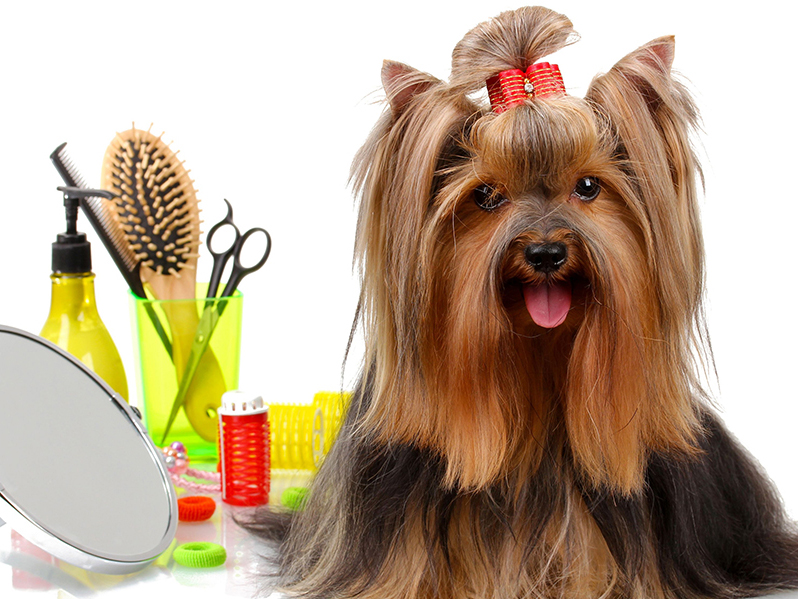
Grooming your dog may seem it’s for superficial purposes only, but your dog will need regular baths and grooming.  If you have a long haired or thick coated dog, their hair or fur grows fast and needs to be kept neat and clean.  Regular brushing or de-shedding is helpful to avoid shaving your dog.  Depending on your dog’s breed and coat, grooming appointments can vary from every 4-8 weeks.  This also included nail clipping as you should never let your dog’s nails get too long.  They can curl and dig into your pet’s paw pad.  Your vet or groomer will typically do this without an appointment.  If you hear your dog’s nails tapping the floor, it’s time to get them clipped!  Consult your groomer for advice.

By following these simple tips for dog health care you can ensure your pet the longest, happiest possible life.

Please note that you should always consult you veterinarian for your dog’s healthcare advice and if you have any questions or concerns.

Dog Health Tips

Should You Get Pet Insurance?

Pet Health InsuranceAs a pet owner, it can be heart-wrenching to have to make a decision about your pet’s health, or even his life, based upon finances. Sudden illness or injury can trigger thousands of dollars in veterinary bills, and some pet owners simply do not have that kind of money lying around, regardless of how deeply they cherish their fur-baby.

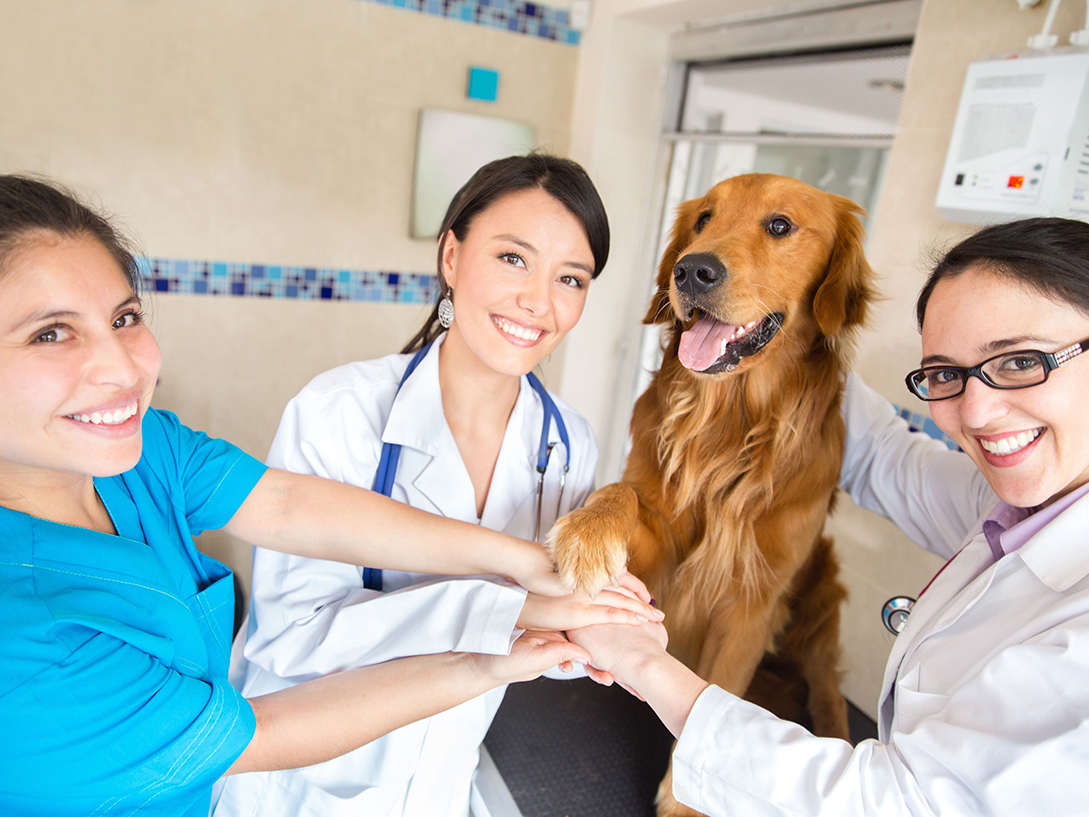
As far back as 1980, with the founding of Veterinary Pet Insurance, by Jack Stephens, DVM, pet owners have had the option of insuring their pets against medical bills just as they insure themselves. Pet insurance companies have multiplied in droves since that time and now pet parents have a bevy of options from which to choose.

Things to Consider

Pet insurance is like people insurance in some ways; there are often deductibles, payout limits and networks of approved veterinarians and animal hospitals. You can also choose to get wellness/preventative care coverage if you wish. There are some key differences, however. Here are some things to take into consideration when shopping for medical insurance for your beloved companion:

  • You are usually required to pay your vet bill up front and file for reimbursement.
  • It’s common for pet insurance plans to restrict or exclude coverage for hereditary or congenital conditions like hip dysplasia.
  • If your pet goes through a particular illness or diagnosis, it may be excluded the next time you renew the insurance plan, or you may be charged extra for that condition.
  • There are often limits on annual and lifetime benefits, as well as individual limits for certain injuries or conditions.
  • Rover or Fluffy may be denied coverage if they’ve advanced past a certain age.

Along with these considerations, it can also be confusing to compare each company’s plans to each other, as benefits and limitations vary widely, so it can be like comparing apples to lawnmowers.

ConsumerAdvocate.org, which ranks the best companies and products based on real consumer ratings, lists the following pet insurance companies as the highest rated among customers:

  1. Healthy Paws – offers unlimited lifetime benefits with no claim caps, comprehensive accident and illness coverage, a free mobile app, no claims forms requirement, and you can choose to have an annual deductible
  2. Petplan – Philadelphia-based pet insurance company that has been in business since 1976, offers coverage for hereditary conditions like hip dysplasia, has benefits up to a $22,000 yearly limit, operates on the basis of a per condition per year deductible
  3. Trupanion – offers one plan that they claim covers 90% of veterinary bills, no accident and illness payout limits, renowned customer service, offers per condition deductibles (this works well if your pet has a chronic condition)

One thing you can do is to create a spreadsheet to help you compare costs and benefit amounts side-by-side. You should also read pet insurance reviews at sites like PetInsuranceReview.com, which also offers you the ability to pull quotes.

It’s also a good idea to consult your veterinarian on their recommendations, as well as ask family and friends about their experiences. Once you narrow it down, clear your choices with a quick Better Business Bureau check. Websites like Angie’s List can also be a boon to your research, as they offer customer ratings and a venue for complaints. Don’t forget to inquire whether your employer offers a discount on pet insurance as part of their benefits package – some do these days.

Whether or not you decide medical insurance for your pet is the right choice for you, remember that the most important thing you can do for your dog’s or cat’s health is to take them for regular vet visits. An ounce of prevention really is worth a pound of cure!

Row of Dogs & Cats

Never Feed These Foods to Your Dog

It’s no secret that chocolate is bad for dogs – even deadly in some cases. But there are many other food items that your dog shouldn’t have, and some of them will probably come as a surprise.  Protect your beloved pooch from these dangerous human edibles:

    • Alcohol – never give your dog alcoholic beverages. It can cause digestive upset, respiratory problems, tremors, coma, or – in extreme cases – death.
    • Avocado – even though it’s super healthy for humans, avocado (including the leaves and bark) contains a substance called persin, which is toxic to animals.
    • Chocolate (or coffee and any caffeine) – these contain something called methylxanthines, substances present in cacao seeds. These can cause digestive upset, excessive thirst, abnormal heart rhythms, hyperactivity, seizures, and possibly death. Dark chocolate is more dangerous than milk chocolate but it’s best to take stringent measures to keep all chocolate out of reach of your dog (take extra care at Halloween, when candy seems to be all over the place).
    • Citrus – the citric acid in all parts of citrus plants can cause central nervous system issues such as irritation and even CNS depression when consumed in large amounts. Don’t fret too much if your dog eats a piece of the actual fruit – it may upset his stomach but probably won’t hurt him.
    • Coconut (or coconut oil) – when ingested in large amounts the oils in coconut can cause diarrhea and an upset stomach. A very small amount of coconut oil, however, administered once in a while, can help fight off skin irritations caused by fleas or eczema, as well as boost the immune system. Just use in moderation.
    • Fat trimmings and bones – it’s instinct for some people to toss the meat scraps to their dogs. After all, canines’ natural diet is meat, right? Unfortunately the fat found on meats that humans eat can cause pancreatitis in dogs. The bones can break up into splinters and cause serious damage to your pet’s digestive tract.
    • Macadamia nuts – these are exceptionally bad for dogs, causing vomiting, depression, tremors, and hyperthermia. You will usually notice symptoms within 12 hours of consumption, and they can last up to 3 days. Store macadamia nuts up high, out of reach of your precious pooch.
    • Milk and dairy – these seem harmless enough but your furry friends do not have the lactase needed to break down the lactose contained in dairy products. This means that they can get an upset stomach or diarrhea from anything containing milk.
    • Raisins or grapes – we don’t yet know enough about the toxic substance contained in this fruit, but we do know it can cause kidney failure. Better safe than sorry with dogs and grapes or raisins.
    • Raw eggs – while dogs do have short tract digestive systems, which means that foods pass through them much more quickly than in humans and allows them to tolerate things we could not eat without harm – your dog can still get salmonella from raw eggs, just like you can. There is also a chemical in raw eggs that interferes with your pet’s ability to absorb one of the B vitamins.
    • Xylitol – you probably wouldn’t think to be on the lookout for this sweetener, but even though it’s ok for humans, it can cause a release of insulin in your pet, which causes hypoglycemia and eventually liver failure. Symptoms may be vomiting, loss of coordination, and lethargy, progressing to seizures. Watch for this substance in candy, toothpaste, and gum.

There are many other foods that are bad for your dog, such as garlic and onions, nuts, and yeast dough. If you know – or suspect – that your pet has ingested one of the foods on this list, call your vet immediately or contact the ASPCA Animal Poison Control Center at (888) 426-4435.

How to Find a Good Veterinarian

Your pet’s vet is second only to you in terms of importance in its life. You not only want to find one who is a skilled animal medical expert, but is also good with people and will work as a team with you in order to devise the best possible health solutions for your beloved furry friend.
Your vet doesn’t work alone – there are veterinary technicians, office staff, and other important members of your veterinarian’s team involved in your pet’s care so you want to be sure that all of these people are a good fit for you, your family, and your dog, cat or other animal companion. Don’t wait until that emergency moment when you need the help of a professional – search and pick a vet ahead of time so that you have an established relationship with your pet’s doctor for when that time comes that you do need him or her.

Where to Start

Referrals from friends and family are a great way to begin your search for a vet. People are always happy to talk about a care provider with whom they’re thrilled, so pick the brains of anyone you know who has a pet or even works with them, like your groomer or boarding facility staff. Animal shelters also often have good recommendations.

You also want to check whether your potential candidates are accredited by the American Animal Hospital Association. This seal of approval indicates that your animal hospital has sought out and met the AAHA’s standards for care, equipment, and facility quality. In addition, specialists will possess board certification, which may be important if your pet has specific care needs such as dental or cancer treatment, and even alternative medicine.

What to Consider in a Veterinary Practice

dogatvet

  • Number of doctors
  • Appointment protocol
  • Cleanliness and organization of the facility
  • Separation of dog and cat cages
  • Courteous, caring, competent staff
  • In-house lab work and other procedures like X-rays
  • Location
  • Rates that fit your budget

Your Role on the Team

It’s not just the vet who needs to be conscientious. Being a good client is also a vital factor in the success of your dog or cat’s health care. Here are some good tips for being a well-mannered partner in your pet’s care:

  • Schedule regular preventative visits rather than just showing up when your pet gets sick.
  • Make it to your appointments on time. Being late affects everyone’s schedule, including the vet’s.
  • Always use an appropriate carrier to transport your animal to and from the office.
  • Call your vet at the first sign of a problem – you know your pet and if they’re acting “off”, the chances of the doctor successfully treating them are much better if you don’t wait too long.
  • If you do have an emergency, call anyway rather than just showing up unannounced. It may be that your veterinarian is booked up and will need to refer you to an emergency clinic, so you don’t want to waste valuable time.

These steps will help ensure the best, most efficient care for your precious pet. By working together as a team you and your veterinarian can keep your pet safe and healthy.

If you do have a serious problem with care administered by a vet, you can contact the ethics committee of your state’s veterinary association, or the American Veterinary Medical Association. But if you follow these common sense guidelines you are much more likely to end up very happy and comfortable with the partnership you’ve created with your pet’s caregiver.

Be Mindful of Grooming Needs When Getting a Dog

Dog GroomingThere’s no doubt about it – puffy cuties like the Collie, Eskimo, and adorable little Pekingese draw attention and make you want to scoop up their snuggly little bodies and take them home. But if you don’t have the time to devote to the extensive dog grooming that breeds like these require, you might end up with a case of long-haired dog buyer’s remorse.

When choosing a canine companion it’s important to keep in mind the number of brushings, baths, and regular grooming appointments that will be required to keep them happy, healthy, and looking their finest. And grooming isn’t just reserved for the animals – you also need to take into account the vacuuming, sweeping, and dusting that will be involved if you go with a particularly fluffy dog.

So which breeds are the worst offenders when it comes to grooming and shedding? These are the fluffiest of the fluffy, with the long hair and highest dog grooming needs:

  • Alaskan Malamute: these gorgeous pooches were bred specifically for the cold weather of Alaska so not only does their long coat shed copiously, it’s also extra thick, making them a double whammy as far as grooming.
  • American Eskimo: these white beauties aren’t actually Eskimos, they’re European if you want to get technical, but what they are is heavy shedders.
  • Bearded Collie: the big shaggy coat of this dog is adorable, to be sure, but will require constant grooming. They also have a lot of energy which means they move and groove outside quite frequently, which will increase the number of baths you’ll have to give.
  • Bichon Frise: they are loving, happy, and fun animals, and they’ll need plenty of regular grooming appointments. The Bichon’s puffy white coat is almost like a big cotton ball and gets matted easily.
  • Afghan Hound: this elegant native of Afghanistan is one of the oldest dog breeds in the world. Their long, silky coat is almost like a full head of human hair all over their bodies. They are beautiful, and high maintenance.
  • Chow Chow: the distinct red coat and puffball appearance of this unique breed is part of its charm. While Chows aren’t overly excessive shedders, they do have high brushing, bathing, and grooming needs.

If you’ve decided that you’d rather have a “brush-n-go” dog, one that doesn’t need regular grooming appointments and won’t leave small animals all over your furniture, there are plenty of great options:

  • Boston Terrier: these lovable, kid-friendly pups are a classic American canine staple. They’re easy going in personality as well as in grooming needs.
  • Boxer: despite their rather gruff facial expression, Boxers are fantastic family dogs. They get along with other pets as well as with even tiny toddlers. And if you have small children you probably won’t have time for regular grooming appointments – which you won’t need with these short-haired sweethearts.
  • Great Dane: if a big pooch is what you’re after, you might be surprised to learn how gentle Great Danes are. They do great with children as well as other animals in the household, and you’ll only have to take the dog brush out every once in a while.
  • Italian Greyhound: these sweet, timid little creatures are true peacekeepers, making them a great dog for almost anyone. They require very little brushing, bathing, or clipping, which is good because they’re a bit delicate.

It’s important to keep in mind that the most responsible thing to do is to adopt your dog from a shelter or animal rescue. Still, since up to 30% of shelter dogs are purebreds, you can still watch out for your ideal breed, and look for the high- or low-maintenance traits you desire when assessing the mixed breed pups. Happy grooming!


Harmful Foods for Your Dog

We all know not to feed chocolate to our dogs, but what about other harmful foods?  Our dogs are members of our family so it’s very important to know what to feed or not feed to them.

Some Harmful Foods for Dogs You May be Surprised to Know:

  1. Grapes, raisins and currants: Contain a harmful toxin that can damage the kidneys.
  2. Avocado: Contains persin (a fungicidal toxin), which can cause vomiting and diarrhea.
  3. Mushrooms: Contain toxins that can affect multiple systems in the body, cause shock, and result in death.
  4. Milk and other dairy products: Can cause dogs (and cats) to develop diarrhea if given in large amounts.
  5. Bones from fish, poultry, or other meat sources: Despite wanting to give your dog the leftovers, bones can cause obstruction or laceration of the digestive system.

And Remember….

Dogs often will get into the garbage to get into something when you’re not home so be mindful of what you have around the house so your dog will be safe.  If you have any concerns it’s always best to consult your veterinarian.

For a more comprehensive list, click here.

OUR STOREBeing Pawsitive is a print on demand shop for all animal lovers, vegans, and free spirits
CUSTOMER SERVICESWe pride ourself on customer satisfaction. View our policies and reach out with any questions.

Subscribe to Our Newsletter!

Subscribe

* indicates required

Intuit Mailchimp

Copyright© 2025 Being Pawsitive. All Rights Reserved. 

Add to cart