
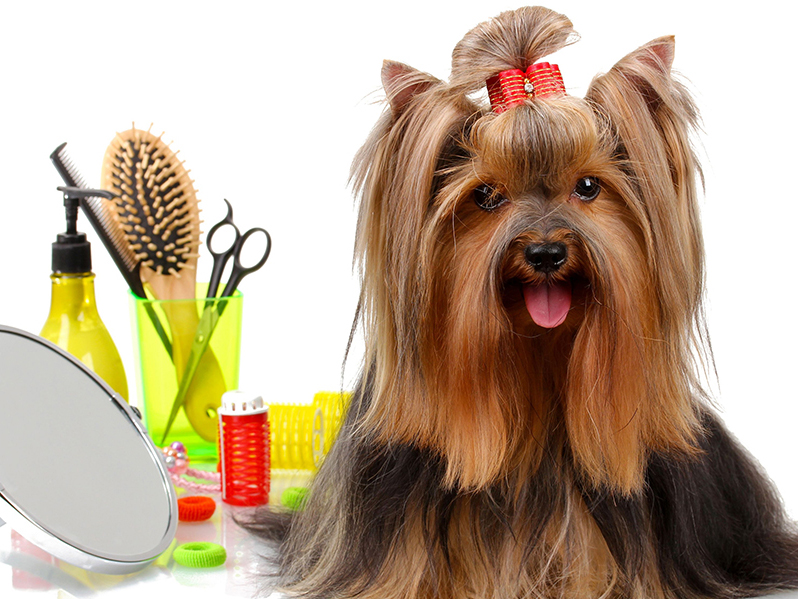
 There’s no doubt about it – puffy cuties like the Collie, Eskimo, and adorable little Pekingese draw attention and make you want to scoop up their snuggly little bodies and take them home. But if you don’t have the time to devote to the extensive dog grooming that breeds like these require, you might end up with a case of long-haired dog buyer’s remorse.
When choosing a canine companion it’s important to keep in mind the number of brushings, baths, and regular grooming appointments that will be required to keep them happy, healthy, and looking their finest. And grooming isn’t just reserved for the animals – you also need to take into account the vacuuming, sweeping, and dusting that will be involved if you go with a particularly fluffy dog.
So which breeds are the worst offenders when it comes to grooming and shedding? These are the fluffiest of the fluffy, with the long hair and highest dog grooming needs:
- Alaskan Malamute: these gorgeous pooches were bred specifically for the cold weather of Alaska so not only does their long coat shed copiously, it’s also extra thick, making them a double whammy as far as grooming.
- American Eskimo: these white beauties aren’t actually Eskimos, they’re European if you want to get technical, but what they are is heavy shedders.
- Bearded Collie: the big shaggy coat of this dog is adorable, to be sure, but will require constant grooming. They also have a lot of energy which means they move and groove outside quite frequently, which will increase the number of baths you’ll have to give.
- Bichon Frise: they are loving, happy, and fun animals, and they’ll need plenty of regular grooming appointments. The Bichon’s puffy white coat is almost like a big cotton ball and gets matted easily.
- Afghan Hound: this elegant native of Afghanistan is one of the oldest dog breeds in the world. Their long, silky coat is almost like a full head of human hair all over their bodies. They are beautiful, and high maintenance.
- Chow Chow: the distinct red coat and puffball appearance of this unique breed is part of its charm. While Chows aren’t overly excessive shedders, they do have high brushing, bathing, and grooming needs.
If you’ve decided that you’d rather have a “brush-n-go” dog, one that doesn’t need regular grooming appointments and won’t leave small animals all over your furniture, there are plenty of great options:
- Boston Terrier: these lovable, kid-friendly pups are a classic American canine staple. They’re easy going in personality as well as in grooming needs.
- Boxer: despite their rather gruff facial expression, Boxers are fantastic family dogs. They get along with other pets as well as with even tiny toddlers. And if you have small children you probably won’t have time for regular grooming appointments – which you won’t need with these short-haired sweethearts.
- Great Dane: if a big pooch is what you’re after, you might be surprised to learn how gentle Great Danes are. They do great with children as well as other animals in the household, and you’ll only have to take the dog brush out every once in a while.
- Italian Greyhound: these sweet, timid little creatures are true peacekeepers, making them a great dog for almost anyone. They require very little brushing, bathing, or clipping, which is good because they’re a bit delicate.
It’s important to keep in mind that the most responsible thing to do is to adopt your dog from a shelter or animal rescue. Still, since up to 30% of shelter dogs are purebreds, you can still watch out for your ideal breed, and look for the high- or low-maintenance traits you desire when assessing the mixed breed pups. Happy grooming!
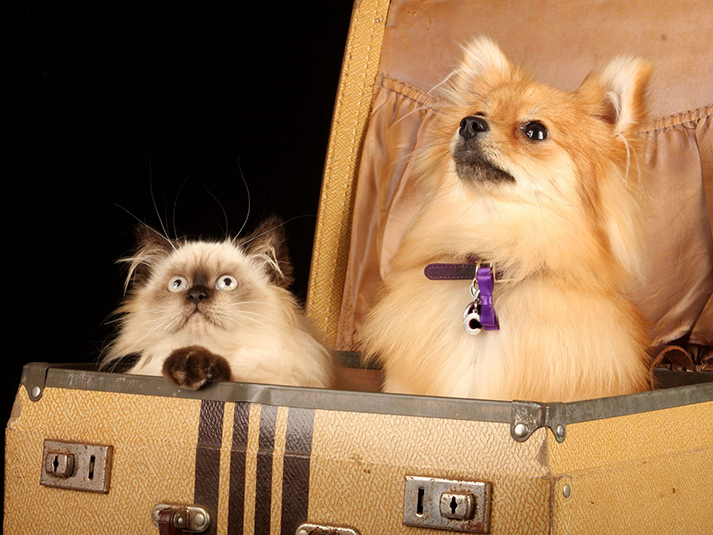
 For many trips, like family vacations to a hotel or resort, it’s best to leave your best friend at home, where he can be watched over by a trusted friend or family member or in a safe boarding facility. There are times though – say a camping trip – when you’re going to want to bring your pet along for the ride. Dogs generally travel much better than cats, so unless you’re moving you should probably leave your feline companion at home.