Pet Friendly Vacation Spots

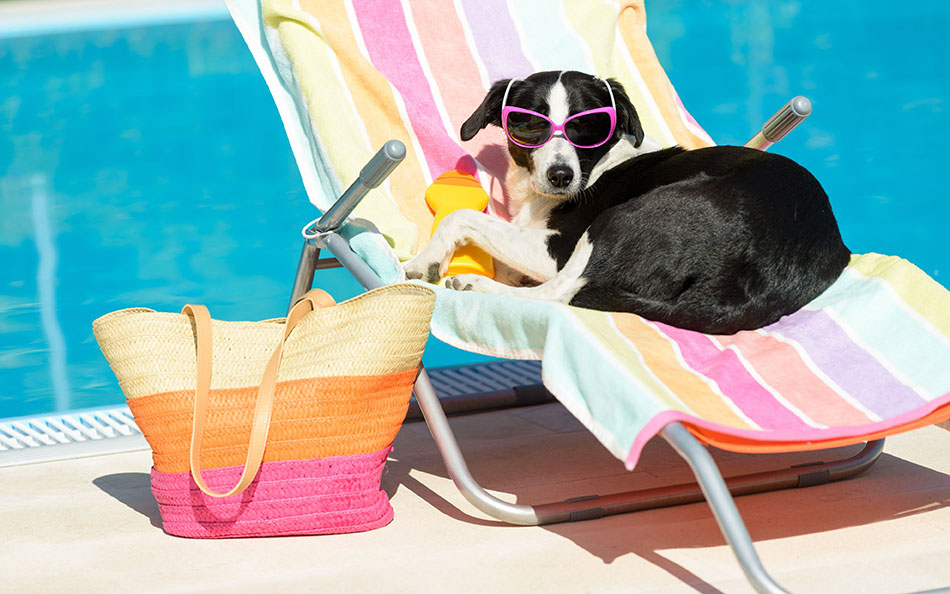
So, you want to go on vacation with your pet? That’s great – we don’t really much like people don’t want to leave your dog at home. However, you know that not all vacation spots are pet-friendly, so, where are you and your dog going to go on vacation?

Sonoma Valley, California

You will begin on the west coast of California, with its lovely vineyards. There are over 50 wineries in Sonoma, and they are almost all dog friendly. You can sample the harvests while wandering about with your dog. At the end of the day, you can visit any of a number of restaurants where dogs are welcome. They can sit next to your table, or even choose from their own menu.

Fort Collins, Colorado

The big attraction in Fort Collins is the huge number of breweries. You can sample local craft beers, and relax on patios where our dog will be welcome. At most breweries, you can even bring your furry friend inside the tasting rooms. Remember, though, it’s a very bad idea to allow a dog to consume alcohol.

Austin, Texas

There’s no such thing as a Texan who doesn’t love dogs. That means that in Austin, you and your best buddy can go wherever you like. You do have to behave yourselves, though. If your dog promises that you will behave, you can enjoy all the sights and sounds of this glorious city.

Chatanooga, Tennessee

Can you afford to board the Chattanooga ChooChoo? Sorry, we just couldn’t resist. Seriously, Chattanooga offers so much for you and your dog, including the Chickamauga Creek Pocket Wilderness trail. It’s a full 10 miles, but don’t worry about getting too warm – you can always take a dip in the creek, you and your dog together.

SaveSave

Want to Bring Your Dog to Work?

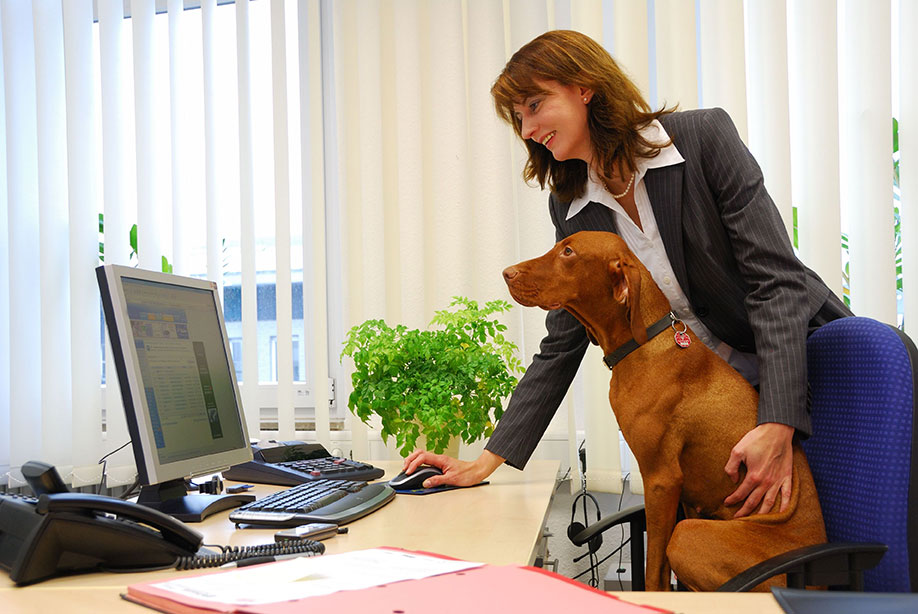
So, you’ve just had your annual review. Your supervisor looks at you and asks, “Is there anything that the company can do for you to make you happier at work? You look at her, and just to be funny, you reply, “Yeah. I want to be able to bring Clover to work with me.”

Clover is your dog. You think there’s no way in this lifetime that Sponagle is ever going to be able to go to work with you. But then your supervisor looks at you, nods, and says, “Yeah, we could work with that.”

Bringing Your Dog to Work Works!

According to a Virginia Commonwealth University study, people who bring their dogs to work with them are more productive and considerably less stressed than people who have dogs but have to leave them at home when they come to work. The study also found that people who interacted with co-workers who brought their dogs to work were more productive.

Check out the most dog friendly office.

But It Doesn’t Always Work

Now, something that you have to keep in mind is that not all workers are created equally, and not all pets are created equally. Probably no one would argue against bringing Old Yeller or Hooch to work, but they might not be overly receptive to Cujo. And not all workplaces can accommodate all animals.

A happy, smiling puppy is indisputably going to reduce stress in the workplace. But if you introduce a cranky cat into the mix, watch out.

Pick and Choose

If you are thinking about introducing animals into the workplace, it is probably a very good idea, but you are going to want to carefully vet the animals that you bring in, in the same way that you would vet potential employees. Not everyone is going to get along.

By the same token, you should not pre-judge. You don’t do that with humans, so don’t do it with animals. A sweet, gentle Rottweiler can be far more of an asset to your workplace than a nasty, ankle-biting Yorkie.

Dog OfficeInterview

If you are thinking about bringing animals into the workplace, handle it the same way you would humans. If you’re the boss, ask your employees to bring their animals in for a “meet and greet.” Some will pass the test immediately. Others might need a little work, and some will not be suitable.

Once you have identified suitable workplace animals, see how they interact with one another. You do not want a disruptive workplace with animals running all over the place and conflicting with one another. If it looks like everyone is in a good place, though, ask yourself if there is really any reason why your workers should not be able to bring their animal friends to work. It could make for a much more comforting and caring workplace.

In short, can you imagine everyone feeling very excited about coming into work because they know they will be greeted with happy animal smiles every day? Can you imagine your employees being happy coming into work because they do not have to leave their best friends at home?

For sure, this might not work in every workplace, but if it seems at all feasible, why not give it a try?

Conclusion

In conclusion, happy employees are productive employees, and people love their animal friends. Why not bring those friends into the workplace? Let that person you just reviewed, the one who needed to have Sponagle at work in order to be happy, bring Sponagle into the office. You might be surprised how well it works out for everyone.

SaveSave

Celebs That Live Cruelty-Free

Nothing gives validity more to a social cause than having celebrities offering their names in support of its agenda.  The “cruelty-free movement” has become an international social movement that has gathered a lot of stars and superstars among followers.

Paul McCartney

Internationally, Sir Paul McCartney is perhaps the most famous voice protesting the use of animals in testing cosmetics.  Adding to his name on the roster we have Peter Dinklage of Game of Thrones notoriety, Mayim BialikThe Big Bang Theory, Ricky Gervais – The UK’s not-so-secret weapon against hypocrisy, and we can’t go wrong with Bob Barker from The Price is Right.  The list continues to grow and with it, an awareness of a voice that needs to be heard by manufactures and an empowered consumer base.  Check out some more supporters at Humane Society.

Woman Holding Beagle
The most know organizations working towards ending animal testing on products is Peta and Cruelty Free International.  The task of cruelty-free organizations is to educate consumers.  Why do they use animals to test make up products?  The reason given is that before a human either ingests or topically applies a product the manufacturer has to make sure it’s safe.  So the next question is: Can they test products without sacrificing animals? And the answer is “yes!”  One thing they can do in creating new products is to use ingredients that have already been approved.  Another alternative is invitro cell cultures that are constructed in test tubes or petri dishes outside the body.  These tests use biological material or cells that are extracted without catastrophic consequences to the animal.   That way no additional souls need be sacrificed.

bunnies_grassIf you buy products that are sold in China, they are testing on animals.  For a list of companies that are cruelty-free, you can visit Leaping Bunny.  They also have an App which comes in very handy when you’re shopping.  Get it for Apple here or Android here.

We applaud the fact that the list of celebrities who have added themselves in solidarity with the rest of us is growing, and our voice is becoming stronger.  They have given the painful and cruel testing of products on animals an international platform.  The intent behind their activism is that even though animal testing has been banned in countries such as the United States, these practices continue to exist in China and other countries.  And only by “taking to the streets” can we raise consciousness throughout the world about this practice being wrong.  It must stop! And the best way to have this end is by educating consumers.

The Value of Service Dogs

Dogs have been helping humans since ancient times. Both ancient Chinese and Roman artifacts depict dogs acting as guides to the blind or assisting people in other ways. This tradition of canine-human cooperation has persisted for tens of thousands of years, right up until today when we specifically train animals to be companions and assistants to people with disabilities.

Who Uses Service Dogs?

Anyone with a qualifying condition under the Americans with Disabilities Act may be eligible to apply for a service animal. Some common types of working dogs include:

  • Hearing
  • Seeing eye
  • Autism
  • Seizure alert
  • Mobility

Veterans

Argus Service DogThere are also organizations that provide animals to former veterans, including those with PTSD (Post-Traumatic Stress Disorder) as well as vets with injuries sustained in combat. One such organization is Argus Service Dog Foundation, co-founded by animal trainer and host of the CBS hit show “Lucky Dog” Brandon McMillan.
McMillan founded Argus along with Mike Herstik – a renowned trainer of military and law enforcement canines – and psychologist Eric Brotman, PhD. McMillan and Herstik came up with the idea after working with a vet named Tyler who had lost both his legs in combat in Afghanistan. The pair trained a dog to assist Tyler, who was having trouble with day-to-day tasks, and the experience made them realize that there was a huge need for these helpful animals in the lives of wounded American soldiers. Thus, Argus was born.

Autism

Service dogs can not only protect children with autism from bolting and getting lost, they can also provide a psychological anchor that gives the child security and helps them to function better and stay calmer in day-to-day life. Organizations like 4 Paws for Ability help kids with autism to obtain a service animal. They do ask that families participate in fundraising for their pet but they act as a partner in that effort, giving guidance and assistance along the way.

Benefits of Service Dogs

These amazing animals serve a number of functions in the lives of those with disabilities. Although the value of a service dog is incalculable, here are a few specific benefits of the heroic canines:

  • They provide disabled people with self-sufficiency. Because these animals are with the person 24 hours a day, helping them with everyday tasks, they offer the individual a sense of independence rather than having to continually request help from others just to accomplish day-to-day goals.
  • They can reduce caregiver costs. In some cases a service dog can completely replace a disabled individual’s daily helper. Because the skillfully trained pups can assist with tasks like shopping and household chores, the need for an assistant may be diminished or eliminated completely.
  • Canine companions provide a form of physical therapy. With interactive tasks like grooming or playing fetch, not only the dog benefits from the exercise but its owner does as well.
  • These animals offer unconditional love, and psychological support on days that might be hard for the person with disabilities. The emotional benefits of a devoted canine helper are difficult to quantify.
  • The dogs can improved a person’s social life as well. Disabled people often isolate themselves, or are trapped in their home because they lack the help they need to get out and about. Service dogs change all that by being the individual’s guide and personal assistant. These animals also tend to make it much easier to interact with other people because they generate interest and provide a topic of conversation.

While service dogs are very expensive to train (the total bill can run about $25,000), the advantages for both the owner and the animal are innumerable. Most organizations provide dogs at no cost to the recipient (although there are usually wait lists) and some, like 4 Paws for Ability, enlist the help of clients to raise funds to cover the cost of training. For those in need of one of these amazing companions, where there’s a will, there’s a way.

Animal Loving Celebs

Many famous people leverage their exposure to the public in order to help animals, either by promoting practices like having your pets fixed, or raising awareness and money for specific animal rescues and other charities. 

Betty WhiteBetty White

This comedically gifted star of Golden Girls and Hot in Cleveland has been a vocal animal advocate for decades. She has been involved with the Greater Los Angeles Zoo Association as well as the Morris Animal Foundation (which conducts health research for animals).  Betty’s personal sponsorship of more than 30 animal health studies through this foundation has improved health for dogs, cats, horses and wildlife.

KeshaKe$ha

Yes, that Ke$ha. The eccentric and at times troubled singer of hits like “Your Love Is My Drug” is not only a pet owner (of both dogs and cats!) but she also doesn’t hesitate to use her fame for the good of other animals like seals, sharks, and lions. The wild songstress is outspoken about cruelty to these beautiful creatures and is also an avid proponent of cruelty-free cosmetics. Her animal activism won her the Humane Society’s Wyler Award in 2013. Now that’s worth singing about.

Sarah McLaclanSarah McLachlan

The soulful crooner who rose to musical popularity through both her affiliation with the concert tour Lilith Fair as well as heart-touching songs like “I Will Remember You” is also a die-hard devotee of animal rights. Sarah’s soul-wrenching song “Angel”, which graces her commercial (yes, that one) promoting fundraising for the ASPCA, has undoubtedly been part of the reason she was able to raise upwards of $30 million for the animal rights group since 2007.

Bob BarkerBob Barker

The legendary 35-year host of The Price Is Right has long been known for his strong views on beloved pets. This celebrity animal lover used to end every episode of the popular game show with a reminder for viewers to get their pets spayed or neutered. Bob’s DJ&T Foundation has raised millions of dollars in support of spaying and neutering programs as well as animal rescues. This stand-up celebrity even relinquished his position as the host of the Miss USA Pageant because of the use of animal furs as Prizes. Bob is a true winner in the celebrity animal activism game.

Howard and Beth SternHoward and Beth Stern

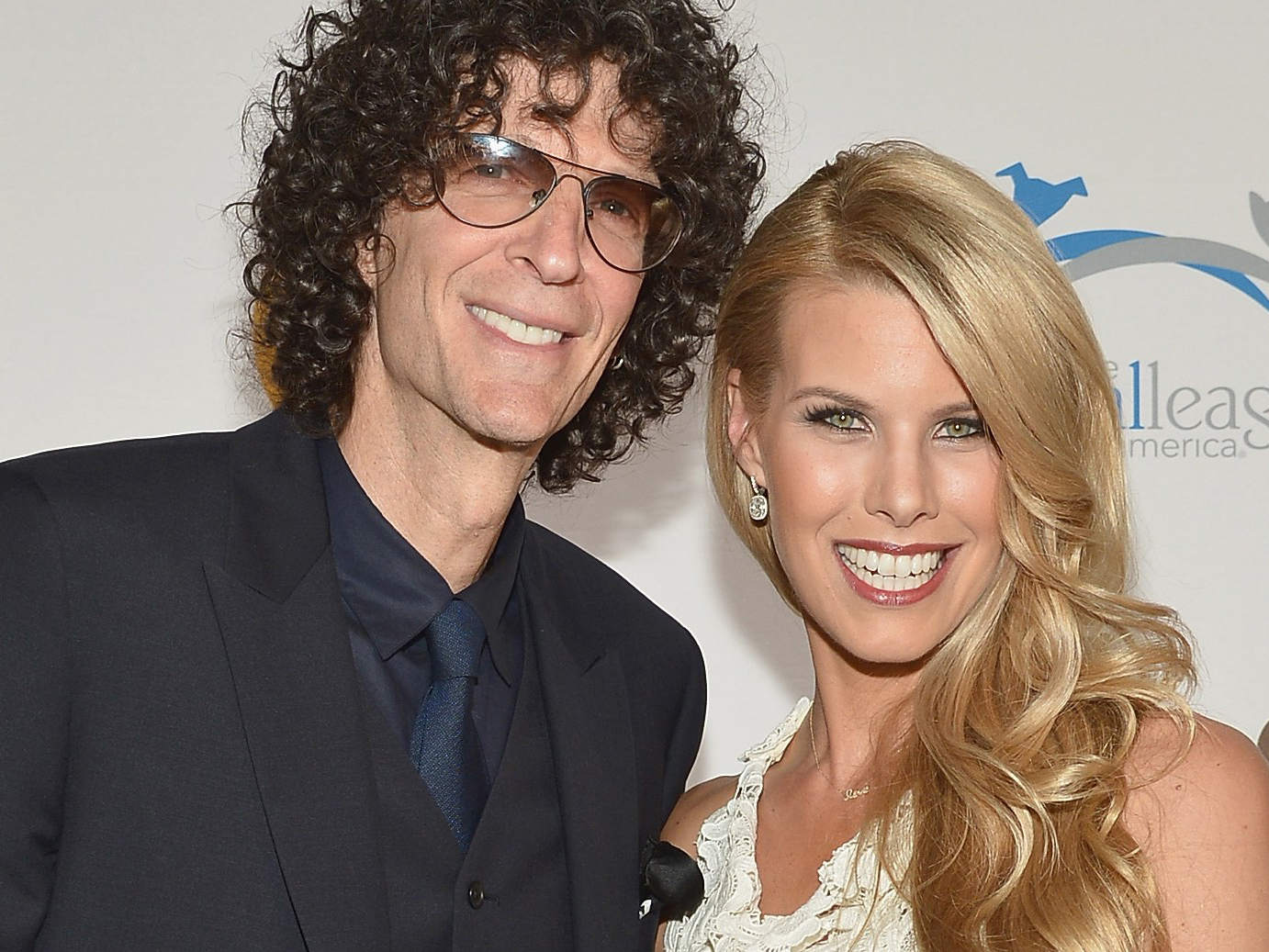
This shock jock has been lighting up the radio and television airwaves for over a quarter of a century with his controversial topics, interviews, and celebrity antics. But Howard and his wife Beth aren’t all about entertainment – they are also celebrity animal activists who are active with the North Shore Animal League. And, in 2011 they produced a calendar packed with irresistibly cute pets in order to raise money for the animal rescue. The surprisingly un-shocking behavior is a win for animals as well as Howard’s image.  Beth Stern just released a book entitled “Yoda: The Story of a Cat and His Kittens” and she is donating 100% of the proceeds to North Shore Animal League.   The book can be purchased here.

Simon CowellSimon Cowell

Indisputably the cruelest of the American Idol judges, Simon Cowell is just a softie underneath – as evidenced by his celebrity animal activism. The former talent judge has been very outspoken about leaving pets in hot cars, as well as the unethical nature of the fur trade and the benefits of adopting from an animal rescue rather than buying a designer pet. Simon put his heart where his mouth is by adopting two adorable little terriers in 2010. In addition to all of these lovable animal activism actions, Cowell leveraged his celebrity power to put a stop to an X-Factor dolphin segment. He is also active in the fight against captive dolphins and whales. It’s hard to find anything to criticize about that performance!

Tips for Traveling With Your Pet

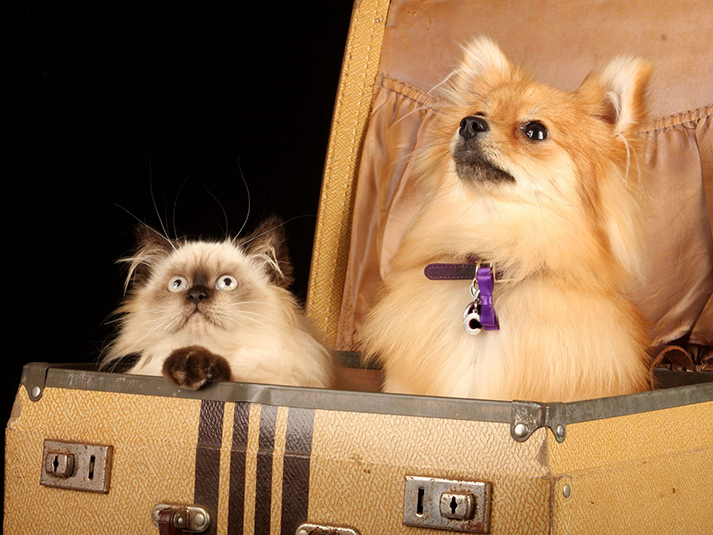
Dog and Cat in SuitcaseFor many trips, like family vacations to a hotel or resort, it’s best to leave your best friend at home, where he can be watched over by a trusted friend or family member or in a safe boarding facility. There are times though – say a camping trip – when you’re going to want to bring your pet along for the ride. Dogs generally travel much better than cats, so unless you’re moving you should probably leave your feline companion at home.
Whether you’re traveling with your pet by car, airplane, or train, there are some basic steps you should take to ensure that everything goes smoothly.

  • Make sure your pet is microchipped. This is doubly important when going far from home because there is more opportunity for getting separated from your pet.
  • Get your pet accustomed to the crate before you ever leave home. Start several days in advance, and allow him to explore the crate, practicing getting him in and out.
  • Pack a bag for your pet just as you do for yourself. Food and water bowls, leash, grooming supplies, pooper scooper and bags, medication, first aid items, and a snuggly from home to comfort your pooch should all be included.
  • Don’t leave home without a visit to the vet. Not only do you want a complete bill of health for your pet, but you will also want to bring along rabies vaccination papers just in case you’re crossing into a state that requires them.

Safety Tips for Traveling by Car with Your Pet

There are certain precautions specific to car travel that you should follow in order to keep your pet safe and happy on your journey.

  • Always put your pet – especially dogs – into an approved travel crate or carrier, and anchor the carrier down inside the vehicle. Roaming dogs are at as much risk as a human in the event of an accident, plus if the animal gets spooked they could interfere with the driver being able to navigate safely.
  • Take plenty of rest stops. Your pet will need to stretch his legs just like you do, as well as go to the bathroom – especially if stressed from traveling. Always use a collar, leash, and ID tag when taking your pet out of the vehicle.
  • Don’t leave your pet alone in the vehicle – ever. Even if it’s only for a minute your pet becomes vulnerable to heat, cold, or thieves. You wouldn’t leave your baby in the car, don’t leave your dog either.

About Air Travel with Pets

The Humane Society of the United States recommends strongly against traveling by airplane with a pet unless there’s absolutely no other alternative. If you must bring your pet on a plane, bring them in the cabin if the airline allows it. Under no circumstances should brachycephalic animals (those with “pushed in” faces like Persian cats and Pug dogs) ride in the cargo hold. They are vulnerable to oxygen deprivation as well as heat stroke.

If your pet must ride in the cargo hold, make sure you only fly direct routes and always ride on the same plane as your cat or dog. Make sure the airline adapts the hold for heat or cold. Affix an ID label to your pet’s carrier with all of your contact information. And notify the captain when you see him/her so that they are aware there is a live pet on the flight. For more information on traveling by airplane with a pet see the HSUS website.

Trains

Amtrak does not allow travel with anything but a service animal. Some smaller railways do allow pet travel, so you will have to check individually with the company you’re using about their rules and regulations.

For additional comprehensive tips on traveling with your animals, see BringFido.com. It contains loads of helpful information on making your trip safe and enjoyable for both you and your pets, including pet-friendly accommodations and dog-friendly attractions at popular destinations.

Pets Reduce Our Stress Level

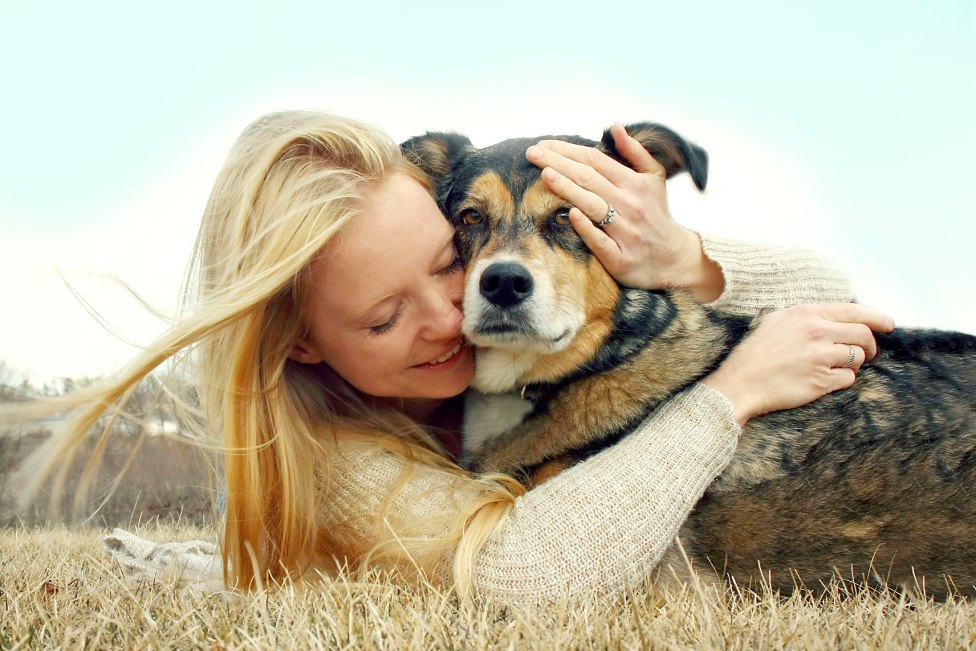
Since we’re all animal lovers here, we know that our pets reduce our stress level. When is the last time you came home and weren’t excited to see that adorable furry face greeting you (or just looking up if you have a cat…hahahaha).

All of us need unconditional love.  We know that babies who don’t receive love will experience a syndrome called “failure to thrive.” This lack of love actually causes arrested development preventing these babies from growing physically, emotionally, and intellectually. Love is what nourishes us, and enables us to grow and thrive.  In fact, children receiving no love have actually been known to not survive.

Pets are the Opposite of Stress

Who in our lives can love us no matter how crabby we are, or how miserably we wake up in the morning, or on those days when we don’t want to get dressed, comb our hair, or even talk to another living soul?  We can always count on our BFF (Best Furry Friend) to take away the blues.  We know that pets are a constant source of unconditional love.

Pets = Love, Not Stress

Our pets ask nothing in return from us, other than being allowed to love us. They are little beings that affect us energetically because we are able to make a heart to heart connection. You can actually feel this energy if you try the following exercise:

  • Close your eyes
  • Take three deep breaths – breath in, hold it, breathe out slowly
  • Clear your mind by focusing on your breathing. Do this for approximately 2 minutes
  • Now allow yourself to picture your favorite pet
  • Picture your pet (either actual or imagined) cuddled up on your lap as you both go into a deep relaxation
  • Stay with that image for another two minutes
  • Slowly open your eyes

What did you feel? Where did you feel it? Most people report that they feel warm and relaxed. They actually feel something in their heart area – an opening, a warming, a good sense of well-being.  They feel this even if they only imagine having a pet. And this exercise merely took less than 5 minutes.

Pets and Health Benefits

The medical community has actually come to realize the benefit of having pets. Studies support that having a pet can reduce blood pressure, improve heart rhythms, alleviate depression, and much more. Pets provide company for people living alone. They are good companions – even the most aloof cat is willing to interact with us (on their terms of course).

Pets and Emotional Benefits

When you have a pet there’s a good chance that you’ll have at least one good laugh a day which is another powerful stress reducer. Tears of laughter and joy have been found to exhibit the same toxins as crying from sadness and sorrow. In fact, our facial muscles contort in the same way when when’re laughing as when we’re crying. The sounds we make are similar, and both generate a cathartic cleansing. We might feel drained after a good laugh or a good cry, but we will indeed feel better afterwards. The one difference is that crying focuses us inward, and laughing brings us out of ourselves and opens us to the world.

If you lead a sedentary lifestyle and you’re tired of being tired, then maybe it’s time to get a dog. Not only will you be responsible for another living being, which will give you a positive focus outside of yourself, but you will also have the opportunity to get off the couch and exercise every day. Even if you’re not the walking type, you might have fun just throwing a ball and playing catch which is good for your physical, as well as your mental health.

A pet can certainly alleviate stress and reduce any depression you may be experiencing.  In addition to companionship, increasing your physical activity, and keeping you healthy, you will have a constant source of love and that’s something to wag your tail at.

And, of course, Adopt Don’t Shop!

OUR STOREBeing Pawsitive is a print on demand shop for all animal lovers, vegans, and free spirits
CUSTOMER SERVICESWe pride ourself on customer satisfaction. View our policies and reach out with any questions.

Subscribe to Our Newsletter!

Subscribe

* indicates required

Intuit Mailchimp

Copyright© 2025 Being Pawsitive. All Rights Reserved. 

Add to cart