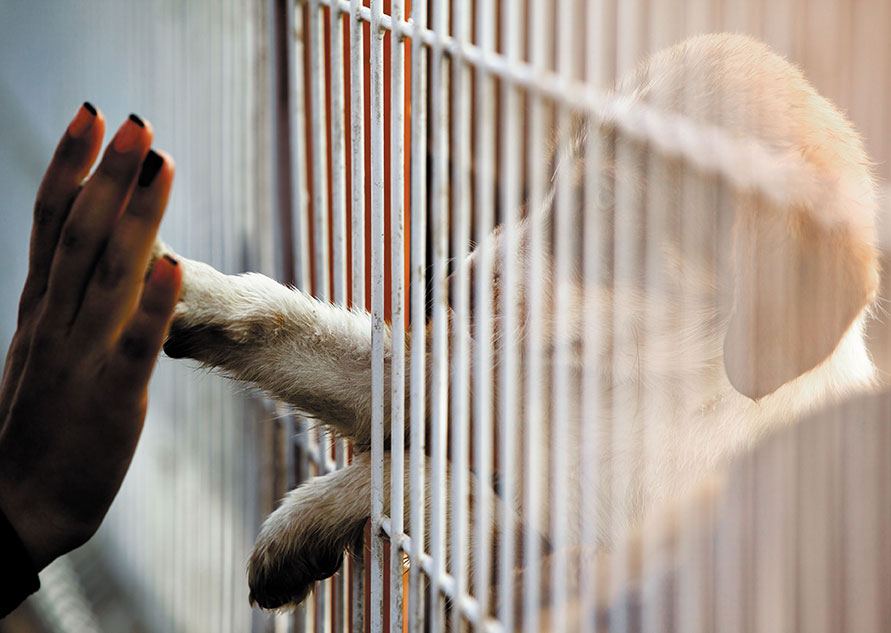
Creative Ways to Help Animal Shelters

Perhaps you have pets you love. Maybe you hope to have a pet one day. Or maybe you can’t reasonably foresee a pet in your life, but you love animals and you want to make life better for them. Either way, you may be considering ways to help shelter animals, and fortunately, there are many ways that you can do just that. Whether you have a lot of time at your disposal, or just a bit, there are things you can do to help your animal friends who have the misfortune to be living in shelters.

In 2014, an animal shelter in Australia developed a Human Walking Program for shelter animals in Melbourne. People were encouraged to devote their lunch hour to walking dogs in Flagstaff Gardens. This was a winning situation for everyone involved – shelter dogs got exercise, people got exercise, and some people even fell so in love with the dogs that they were walking, they ended up adopting them. Other shelters all over the world got on board, and now there are Human Walking Programs in many cities.

If you don’t have the time to set up a Human Walking Program, there are still things you can do to help animal shelters, and the animals who live in them. Here are five great ideas.

Dog in CarOffer a Ride

Sometimes, animals find a home that is right around the corner. Other times, an animal has to be transported to his forever home. It might just be a drive of an hour or so, or it could be halfway across the country. Can you give an animal a ride? Or even part of a ride? Often, people cooperate, each one taking a certain leg of the journey. If you can drive for even a few miles, you can help to get an animal to a home where he will be loved forever. You really can make a difference!

Do Your Spring Cleaning

This works for both you and shelter animals. If you’ve been putting off your spring cleaning, do it now – weed out all those sheets and towels you no longer want. Shelters always need bedding.

Maybe you also have leashes, collars and toys from a pet that you loved very much and who is no longer with you. You wonder why you’re keeping them. If it would break your heart to let them go, then by all means, hold onto them. But think about how proud your lost loved one would be of you if he knew that you were giving his possessions to another animal who has nothing.

Donate

You know how, around the holiday season, everyone wants you to donate to the food bank or the homeless shelter? We’re not suggesting that you don’t do that, but think about animals, too, whose only home is a shelter. A toy or a bag of dog food can make a huge difference to a shelter animal.

Man With DogFoster

Can you take an animal, even temporarily? Fostering can open up another space in a shelter. If a pet is living with you, there is room for another homeless animal at the shelter. You don’t have to be in it for the long term, just long enough – just until that animal finds a forever home. And who knows? You might find that your lifestyle really can accommodate an animal permanently.

Read to a Dog

Okay, this isn’t as crazy as it sounds. You have heard of therapy dogs who go to libraries so that kids with reading difficulties can read to a non-judgmental dog. Have you ever wondered why that works so well? It’s because it goes both ways. Dogs love to be read to as well. They love the sound of a human voice. So why not go to an animal shelter, and read “Goodnight Moon” to a dog who is starved for human attention and the sound of a kind voice?

These are just a few ideas. You may have thought of other ways that you can help shelter dogs. Now, stop thinking about it and just do it.

SaveSave

The Unsung Heroes of Animal Rescue

While most people are aware of the countless big-hearted volunteers who work in animal shelters, rescues, and private facilities that save animals from neglect and euthanasia, there’s another side to animal rescue that very few people probably know even exists. That aspect is rescue animal transportation.

The hard work of shelter volunteers, foster families, and others involved in caring for and placing homeless animals is complemented behind the scenes by the work of another set of special people – pilots, drivers, and facilitators who transport thousands of animals away from certain death and into a safe environment every year.

Wings of RescueWings of Rescue

This truly amazing organization is a non-profit 501(c) (3) charity that transports homeless animals from high-intake shelters (where they face almost-certain euthanasia) to no-kill shelters in areas where adoptable pets are in high demand.

Wings of Rescue is unique in that it is run by volunteer pilots who use their own planes (in addition to chartered cargo planes) to fly thousands of pets each year to the safe haven of no-kill shelters in long-distance locations.

The cost to transport an animal through this incredible organization is about $100. This vaccinations, microchipping, heartworm testing, flea treatments, and spaying/neutering. To donate to the non-profit and help move yet another sweet cat or dog to safety, click here. You can also check out a listing of shelters with adoptable pets that have been transported by Wings of Rescue here.

Pilots n PawsPilots N Paws

This organization is also a 501(c) (3) charity dedicated to the task of rescuing animals from bad situations and flying them to a place where they either already have a home waiting, or can be transferred into the care of a no-kill shelter or other facility that will keep them safe.

What sets Pilots N Paws apart from Wings of Rescue is that PNP runs a facilitative website, rather than operating as one group who does the transporting themselves. The website features a forum where rescue staff can post their transportation needs, and then pilots who are conveniently located and have a plane – or access to a plane – can choose to volunteer to meet the needs of that rescue.

In order to use PNP, rescuers must register, and then post in the forum to get into contact with pilots who may be able to help them. The organization simply acts as a portal to bring people together for purposes of arranging rescue flights or other animal-saving activities, such as overnight fostering. To learn more about how to use PNP, go here.

Other Transporters

There are plenty of animal rescue transport organizations on the ground as well.

Colorado Animal Rescue Express

One such hard-working group is the Colorado Animal Rescue Express (C.A.R.E.). This volunteer charity has helped get nearly 26,000 pets to safety since its inception in 2007. C.A.R.E. moves animals mostly along a route between Colorado and Missouri.


BRATSBRATS – or Badger Rescue Animal Transport Services, Inc. – is a Wisconsin-based organization devoted to ending the euthanization of healthy, adoptable pets, by moving them from crowded shelters where they will probably be put to death, to other locations that have plenty of space and a high demand for adoptable dogs and cats. BRATS was founded in 2008 and moves approximately 2000+ animals per year.

There’s no doubt that frontline shelter volunteers make a huge difference in the lives of millions of animals across the country every year. These pilots and drivers who work behind the scenes, saving even more animals and giving of their time and resources for a worthy cause, deserve kudos and recognition as well for a job well done.

National Mill Dog Rescue

National Mill Dog Rescue is an organization doing amazing work – 10,000+ rescued mill dogs worth of amazing. The Peyton, CO based 501(c)(3) was established in 2007 by Theresa Strader, all because of one sweet, neglected little Italian Greyhound named Lily.

About Lily

Lily - National Mill Dog RescueLily spent the first seven years of her life in servitude to breeders. Like many mill dogs, Lily was expected to produce lucrative puppies without so much as a veterinary checkup in return. Due to this horrifying treatment Lily suffered the effects of multiple health problems – from the degenerated roof of her mouth and lower jaw to tumors throughout her mammary glands. She was worn out, used up, and terrified of humans (justifiably so).

Finally, poor little Lily’s luck turned when Strader rescued her along with a dozen other abused dogs from a dog auction in Missouri. Strader, despite being a veteran of the dog rescue scene, vouches that the months after bringing Lily home were an eye-opening experience even for her. Yet even with her horrifying start in life, Lily thrived on the medical care and love she received and eventually allowed humans into her heart. She passed away in peace in the loving arms of family in May 2008.

It is in Lily’s honor that Strader and her team of volunteers have continued the work of saving these precious creatures from a caged life of fear and pain. Strader is determined that her sweet pup’s life of suffering will not be in vain, and thus far she has excelled at accomplishing that goal.

NMDR Facts

The rescue runs on 95% volunteer power. Volunteers number over 800, and the only paid staff are a veterinarian, three veterinary technicians, kennel cleaners, a rescue coordinator, an adoptions manager, a foster care manager, two part-time office staffers, and an accountant.

NMDR makes dog runs twice a month and takes in over 70 neglected animals each trip (half of whom are transferred to partner rescues nationwide). In 2011 Petco gifted the rescue with a Sprinter van to assist them in their dog rescue efforts.

It takes about 6-8 weeks to rehabilitate a mill dog, and the average age of the animal taken in by the rescue is seven years, although among the 100+ dogs available for adoption on the website, ages range from under a year old up to senior pets.

Adopting from NMDR

Strader runs a tight ship in order to ensure that her pups go to good, loving homes. While the adoption requirements are strict, this helps ensure that these animals who have already gone through so much don’t have to endure more suffering in life. Some of the non-negotiables include:

  • Yard must be fenced (occasionally – rarely – we will place a dog in a condo or townhouse with a small outside area)
  • Dog must be an inside pet (no outside dogs)
  • Dog will not be chained
  • Adoptive families must adhere to local pet laws and maintain routine medical care and treatment
  • Safe collar with ID tags must be worn at all times
  • If something happens that causes the adoptive family to need to return the dog, the dog must be returned to NMDR

The work that National Mill Dog Rescue does is heartbreaking, heartwarming, physically and emotionally demanding, and everything in between. But it’s paying off. In addition to the more than 10,000 dogs who have been given a new lease on life since 2007, the organization has received much media attention as well as being named one of the best non-profits of 2015 by GreatNonprofits.org.

If you are in the market for a new dog, please consider adopting one of their available dogs.  There are things you can do to help, even from afar. Visit the NMDR website for more information.

Surprising Facts about Animal Shelters

Surprising Facts About Animal SheltersIt’s common knowledge that American animal shelters are overflowing with animals and that many of them end up euthanized (31% of dogs and 41% of cats who enter shelters never make it out alive). But there are some things you may not know about these facilities that care for and rehome cats, dogs, and other animals:
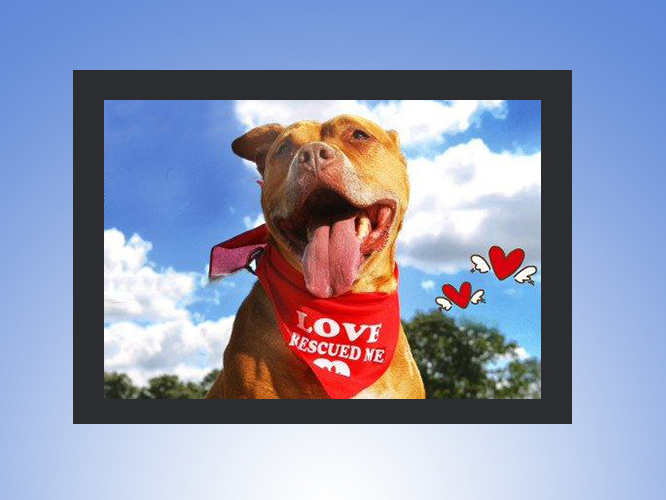
  • 20-30% of dogs in shelters are purebred. You don’t have to resort to pet stores or expensive breeders if you want one of these distinguished dogs – check out your local animal rescue, you may be surprised at what you find.
  • Twice the number of animals who enter shelters are strays as compared to owner surrenders, although many of those “strays” are pets who had a home, and – lacking proper identification like a tag, license, or microchip – got lost or separated from their owners.
  • 90% of pets in dog and cat rescues are totally healthy and ready to be adopted – so if the thought of high vet bills has deterred you from taking a furry friend under your wing, now you know there’s no reason to wait.
  • Just 10% of shelter animals arrive at the facility already spayed or neutered. This problem is a major contributor to the fact that roughly seven million animals enter the rescue system each year.
  • The average age of pets who come into the shelter system is about 18 months – so if you thought you couldn’t get a young animal who will give you many years of companionship and love, you will probably be pleasantly surprised.
  • Adult dogs often come into the shelter already trained – which means adopting an older pet not only saves these sweeties from possible doom, but saves you the time and expense of teaching them basic commands. That’s definitely a win-win.

What Can You Do?

There is a multitude of ways you can help animal rescues and the pets that go into them. Adopting a fuzzy friend is certainly ideal, and there are plenty of other creative ways to help as well.

  • Consider adopting an older pet – younger animals usually get taken in by new families first, so passing by the babies and opting for a more mature pup or kitty can literally save their life.
  • If you aren’t in a position to adopt at this time, consider donating food, toys, or treats to your local rescue. These items make the animals’ lives better and free up funds for promoting the really important matters, like adoption.
  • Help reduce strays by utilizing the Humane Society’s trap-neuter-return resources, designed specifically for use on the feral cat population.
  • Use identifying tags on your pet: include your phone number, the pet’s name, and if applicable, the dog license number. Consider microchipping your pet for the ultimate in high-tech safety. Be vigilant about keeping your furry friends indoors and talk to friends and family about the benefits of them doing the same.
  • Write letters to the editor at your local papers and news publications regarding issues like puppy mills, dog fighting, animal abuse, and what local rescues are doing to help. Grassroots movements are often the most effective kind, so use publicity to garner awareness and participation.
  • Get out and vote – when pet protection ordinances come up on your local ballot, you want to be there to help them pass.

The numbers are heartbreaking – estimates show that nearly three million dogs and cats are euthanized each year. Whether these precious creatures enter the system through owner surrender, getting lost, being seized because of abuse, or any other reason, there are things you can do to reduce the numbers and improve the lives of pets everywhere.

Jameson’s Journey

JamesonHomeJameson was picked up as a stray by animal control over 5 years ago.  He spent 3 years in the Town of Hempstead Animal Shelter.  Knowing he was the longest resident at the time and wanting to help him, Forgotten Friends of Long Island took him into our group with the desire to help find his forever home.

Any living thing that is caged for great lengths of time does not come out of that cage unscathed. Jameson was no exception, although throughout it all he maintained his happy-go-lucky funny personality.  He always seemed to be smiling, even when the people around him were getting very worried that he would just give up.

Last October we sent Jameson from our Rescue Center in Levittown to a wonderful training facility in Damascus, Pa.  At True Companion, under the love and care of Master Trainer Jeff and Lydia, Jameson became the happy and well balanced dog he deserved to be.  His training gave him confidence and his ability to run in the fields with other dogs and swim in the pond brought him great happiness. And his great happiness gave us the same kind of feeling tenfold.

Then came Jameson’s miracle in the name of Cynthia.  Cynthia is an unbelievable woman, kind-hearted, loving, and very determined to give a lonely dog a wonderful life.  Cynthia told me that where she lives in Canada there are no kill shelters.  She had decided she wanted to help a dog who really needed a break, and then she saw a picture of Jameson and inquired about him.  Her first trip to meet him was interrupted by bad weather and a cancellation of her flight.  So Cynthia waited until spring, determined to meet this dog she already loved.  And meet Jameson she did and it was a match made in heaven!  Since that meeting, Cynthia has bought him an orthopedic bed, a pool, and made every provision possible to ensure a very comfy and happy home to greet him.

Not wanting to cause undue stress on Jameson on this long journey, Jameson’s trainers took on the task of driving him from True Companion to the border of the US and Canada.   Cynthia took time off from her busy law practice to fly ½ way from her home and then drive from Toronto to meet up with Jameson.  She will then drive him all the way home and Jameson will stay with his new Mom in a 5 star hotel on his journey – wow!

Today Jameson’s miracle and the dream that so many of us have had for him came true.  His trainers and his new Mom met at the border and Jameson (whose new middle name is Canuck) is on his way home!!!   The moral of this story is:  NEVER STOP BELIEVING AND NEVER GIVE UP!  Jameson never did, so how can any of us?  Every animal deserves a loving family and a happy ending to their story.  Please support your local rescues and shelter and help a homeless animal.  Your best friend is waiting!

OUR STOREBeing Pawsitive is a print on demand shop for all animal lovers, vegans, and free spirits
CUSTOMER SERVICESWe pride ourself on customer satisfaction. View our policies and reach out with any questions.

Subscribe to Our Newsletter!

Subscribe

* indicates required

Intuit Mailchimp

Copyright© 2025 Being Pawsitive. All Rights Reserved. 

Add to cart