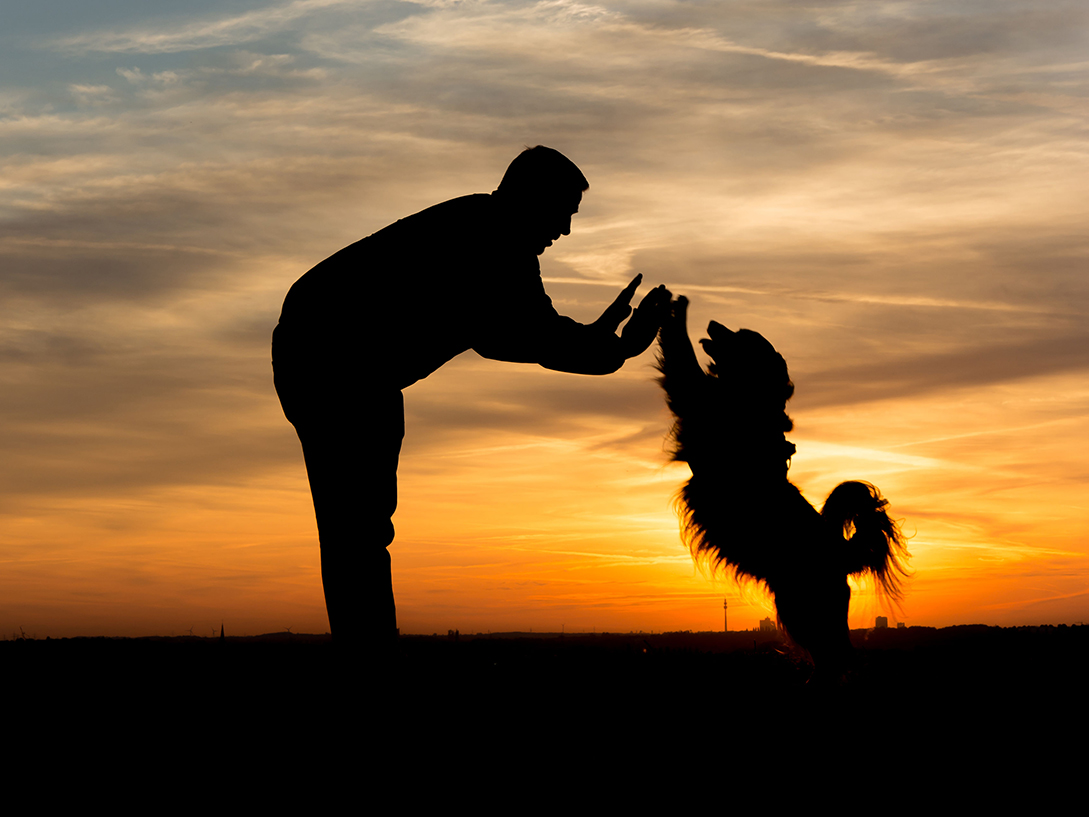
Basic Dog Obedience Tips

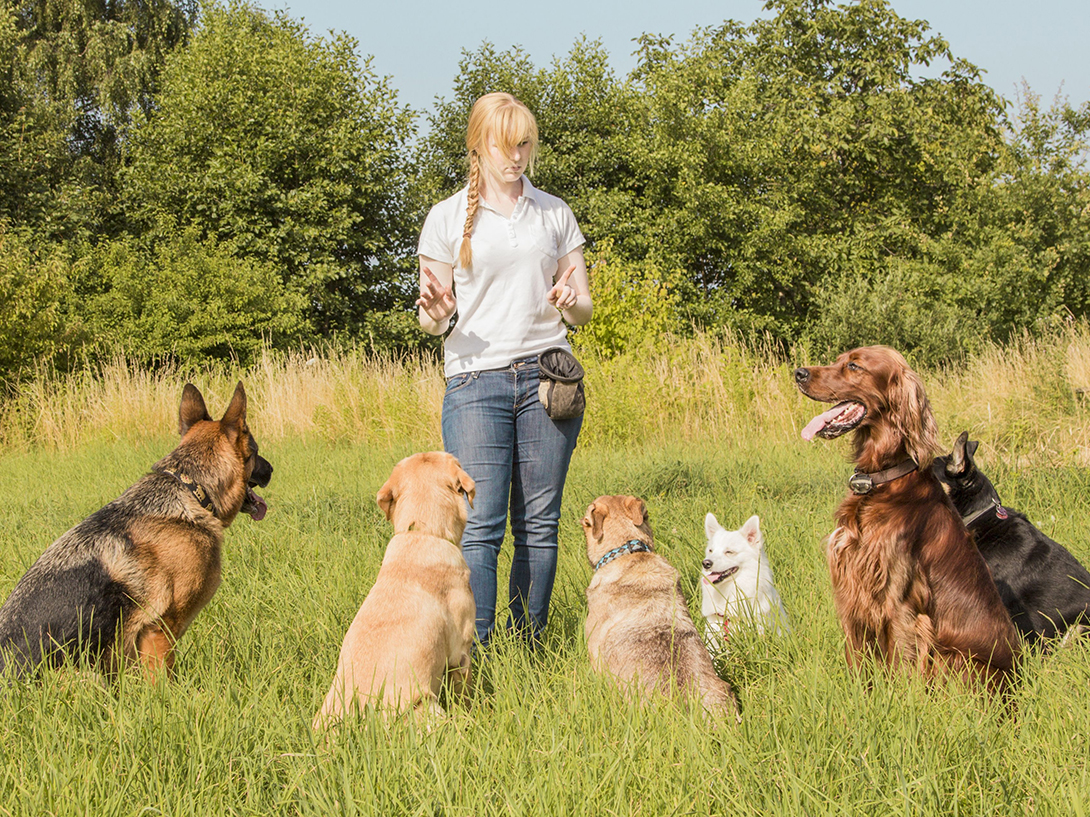
One of the best ways to teach your dog basic obedience is to take him or her to a training class. Most dog clubs offer them, and they’re a great way to train your dog while socializing him or her as well. You’ll probably even make some new friends.

Now, we have to point out that not everyone has the ability to commit to regular dog classes, and if that’s the case, you can always train your dog at home on your own time.  You can teach your dog basic obedience tips and commands at home in order to be sure that he or she behaves properly when out in public.

The Importance of a Mannerly Dog

You know the importance of good manners. They’re every bit as important for dogs as they are for people. You know how it is with people who don’t have good manners – they are not wanted in social situations, and they may find themselves left out of gatherings due to bad manners.

It’s the same with dogs. An unmannerly dog, one who pulls, barks, jumps, grabs hands or otherwise misbehaves is not going to be welcome among civilized company. Additionally, if your dog is poorly trained, he or she could, simply stated, get you evicted.

Easy Training

It’s not hard to teach your dog basic obedience. Sit, stay, down and come are very basic commands that are easily taught and reinforced, and once they are taught, you will have a well-behave dog who will be welcome in virtually any social situation.

Catch Him Doing Something Right

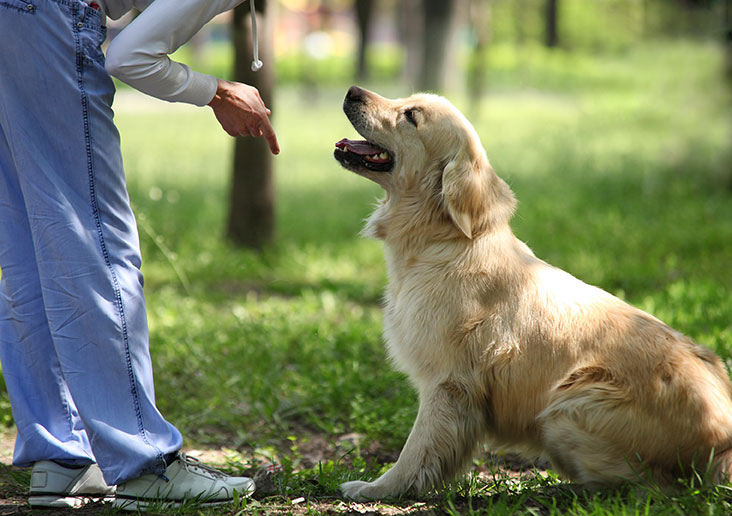
With dog training, timing is everything. As soon as your dog does what you want, reward him or her, either with words of praise or a treat. For “sit,” simply push your dog’s backside down to the floor, and once that butt is solidly on the floor, deliver praise and perhaps a treat. Your dog will immediately know that he or she has done the right thing, and will want to do it over and over.

Down

Down works the same way. Push down on the hindquarters, and then on the shoulders. When the dog gets it right, the dog gets a reward.

Stay

Tell your dog to sit. He or she already knows that. Now, hold out a treat, but don’t give it. If the dog moves toward the treat, offer a firm “No.” Then reiterate, “Stay.” The dog is going to want the treat desperately, but don’t give it until the “Stay” command has been firmly reinforced.

Basic Training Tips

Always be firm in training, but be kind. Don’t expect too much of your dog. He or she wants to please you, but has the attention span of about a two-year-old child. Don’t forget that.

Also, remember to take your training sessions out to various locations in your house. If you do it in just one place, your dog may think, “I have to do this in the kitchen… but nowhere else.”

If you work daily with your training sessions, eventually your dog will do what you want, everywhere, all the time. Therefore, start with basic obedience training and then move on to more complex training. Your dog will get the idea quickly, and you will end up with a good canine citizen who can move on to more complex training.

The Final Word

The key to good dog training is consistency and caring. Remember that you dog wants to please you, and structure your training program accordingly. With kindness and consistency, you can create a good canine citizen who will fit seamlessly into your neighborhood.
SaveSave

Biggest Mistakes You Make When Training Your Dog

Dog Training

Dogs have been companions for humans for many thousands of years. You’d think we’d have the process of training them down pat, but alas most people make some fundamental errors in their efforts to teach their pup how to be a good citizen. This can cause cracks in the bond between dog and owner, as well as cause you a lot of frustration and irritation.

Here are some basic mistakes and how to correct them.

Too Much Time Between Sessions

Training is not a simple matter of “set it and forget it”. Even after you’ve gotten your pooch to learn basic good behavior and maybe a few tricks like shake and sit, you can’t just let the whole thing go. Use commands, praise, and rewards consistently and regularly in order to keep your dog’s memory sharp and his behavior in line. Once in a while change it up, teaching something new, to keep him alert and motivated.

Using Emotion as a Training Tool

Just as with human children, it’s a bad idea to react strongly and emotionally to your pup messing up. Anger, yelling, and outbursts will not work to teach your dog how to behave properly, if anything they make matters worse by scaring him. Use a calm, neutral demeanor, and if he’s not getting the command right away, then just back up and repeat it until he does. Be confident and in charge, but not bullying. The same goes for praise – calm, positive reinforcement is more effective than over-the-top freaking out when he does something right.

Inconsistency

If you let your beloved pet sit on the couch with you one day but not the next, he will become confused and have no idea what the heck you actually want from him. Likewise, when teaching commands, you need to stick to one training method and use that technique, in the proper order, every time you work with him. Make your reactions calm and predictable so that he knows what to expect, rather than being unsure of whether you’re going to fly off the handle one day and stay quiet the next when he doesn’t obey.

Repeating Commands

We’ve all done it – our sweet little Fido won’t sit the first couple times we tell her to, so we say it 3…or 10…times more, thinking surely it will get through to her. This is a mistake, and can actually reinforce lazy behavior where the dog thinks it’s perfectly fine to take her time in obeying the command. If the first time doesn’t do it, go back to the basics and work on proper training again for that command.

Relying too Heavily upon Treats

Treats should be an initial training tool but not a long-term crutch. Focus more on praise and positive reaction on your part, and make it a goal to move away from the use of treats once the dog has begun to respond consistently to a command. Treat overuse can actually break the animal’s focus and cause them to lose sight of the desired behavior.

Not Training to the Specific Dog

While breed is partially responsible for how your dog reacts to training, your success also depends upon their individual personality. You might have a pooch that can handle the distraction of other humans, or an extraordinarily timid little guy who needs a lot of patience and repetition. Customizing your training to the dog’s characteristics will maximize both of your experiences.

Use these simple tips and your training journey is sure to be filled with rewarding results and a stronger bond than ever.

Can You Teach an Old Dog New Tricks?

Training Senior DogWe’ve all heard the old saying “you can’t teach an old dog new tricks”. This idiom is often used as a commentary on the fact that you can’t change people, but its origin was indeed a reference to actual aged canines. In 1523 an Englishman named Fitzherbert, in his book on animal husbandry, cautioned that dogs must be taught when they are puppies otherwise it will be too late (in so many words…the original phrasing was old-timey English with all sorts of funky spelling, of course).

While people have come to accept this phrase’s truth with regard to both dogs as well as humans, it only took four days of training for Discovery Channel’s “Myth Busters” team Jamie Hyneman and Adam Savage to prove Fitzherbert’s theory wrong.  Are we really surprised??

According to certified dog trainer Michelle Mullins, aging may cause older dogs to learn a bit more slowly, but training can help keep their minds sharp and improve their quality of life. Older dogs may even be easier to train than puppies because their attention span is longer and they tend to have more self-control.

Things to Consider When Training an Older Dog

Physical limitations can have an impact on your dog’s training. Muscle or joint problems – such as arthritis (fairly common in mature dogs) – can affect their ability to do tricks that involve running, jumping, or repetitively lying down. That doesn’t mean you can’t train them though! Choose alternative commands like speak, heel, or shake. Some older dogs may also have vision or hearing problems. If your dog’s sight isn’t the greatest, they can still be taught to respond to voice commands, and for the hard of hearing dog, you can convert oral commands to hand signals.

Mental challenges can also pose an obstacle for your pet. Just like humans, old dogs can develop cognitive issues like anxiety or memory problems. In addition, their sleep behaviors may change. These challenges can usually be worked around; just exercise extra patience with your pet and show him lots of love and compassion.

When training your older dog, start by rewarding his response with praise, then a small treat. You want him to eventually obey commands with only praise as a reward (too many treats can cause stomach upset and put extra weight on your beloved pup at a time when his metabolism is already slowing down!). Work with your dog for at least a few minutes every day (consistency is key) and give him about a month to learn his new habits.

Good Tricks to Start With

Where should you begin when training an older dog? Here are some great commands to start out with:

  • Speak
  • Dance (great for high energy, wriggly dogs!)
  • Shake
  • Kiss
  • Crawl
  • Roll over
  • Get your leash
  • Drop (lie down)
  • High five

Training can also be used to discourage destructive behaviors, like digging, chewing non-toy household items, and excessive barking. The same principles apply – command, praise, reward, and patience.

Like any puppy, it will take some time for your dog to learn how to perform these unfamiliar actions. The important thing to remember is that while showing off your sweet pooch’s talents can be a fun part of the process, the real benefit to training your older dog is that you will forge an even stronger bond with him. In addition, he will get valuable brain stimulation and exercise that is great for his overall health.

If you run into roadblocks while trying to train your mature pup, don’t hesitate to consult a professional. Ask your veterinarian for their suggestions on any issues you may encounter. Most of all, have fun!

OUR STOREBeing Pawsitive is a print on demand shop for all animal lovers, vegans, and free spirits
CUSTOMER SERVICESWe pride ourself on customer satisfaction. View our policies and reach out with any questions.

Subscribe to Our Newsletter!

Subscribe

* indicates required

Intuit Mailchimp

Copyright© 2025 Being Pawsitive. All Rights Reserved. 

Add to cart