Is it Bad to Let Your Pets Sleep in Your Bed?

Pets Sleep in Bed

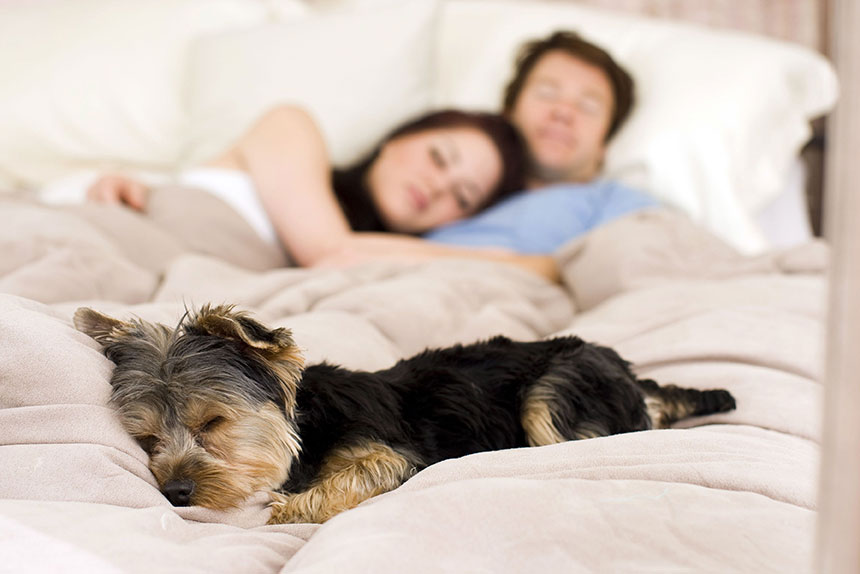
The great debate…do you let your pets sleep in your bed?

According to the 2021–2022 American Pet Products Association National Pet Owners Survey, 43 percent of pet dogs in the United States and 49 percent of pet cats sleep on their owner’s bed

Is it healthy, for you or your pet, to share a bed? There are a few reasons why it may not be, including allergies and asthma. If a pet owner experiences breathing problems, it’s probably a good idea to keep Fluffy off the bed. But most sources agree that, barring those major problems, there are no health risks to sleeping with your pets. In fact, there may be some major benefits of doing so.

Emotional Benefits

Owning a pet comes with many emotional benefits. It’s a commonly known fact that pets reduce stress, anxiety, and loneliness, especially among seniors or people who suffer from depression and other mental illnesses. Allowing your dog or cat to snuggle in bed, or even simply knowing that they are nearby, can be one way that they help reduce anxiety.

Additionally, dogs often provide a sense of safety for many owners. Alert dogs that will bark in the event that something happens make owners feel safer when they drift off to sleep.

Pet Health

Let’s face it, our pets love to be spoiled. Sleeping on a cushy bed feels good for them just as it does us, and who doesn’t want to spoil their pets? But the benefits for pets goes deeper than a simple bit of spoiling. Dogs, and to a certain extent, cats, are pack animals. Their brains are hardwired to seek the company and comfort of their pack, and that means you. Many pets feel separation anxiety when separated from their owners for too long. Knowing that you are nearby can reduce your pet’s stress, and allow them to get a good night’s sleep as well.

Potential Problems

There are a few obstacles that pet owners often face when co-sleeping with their pets. While these aren’t necessarily deal breakers, they are things to consider before you get your pet into an unbreakable habit.

While pets are warm and cozy, which may help you sleep, they can also be demanding bed mates. Dogs can snore, kick, steal covers, and take up more than their fair share of a bed. Cats have been known to “steal” air by sleeping near a child’s mouth, and to wake owner’s up in less than pleasant ways.

If your pet is used to coming to bed with just you, your spouse or partner needs to be on same page. Your pet may not understand why the door is closed on them while you and your partner enjoy some alone time. Some owners give their pets a treat, or train their pets to be equally happy sleeping with children on nights when they want to be alone.

If you want to train an animal to stay out of bed after they’ve learned that it’s okay, you’ll probably be facing many nights of distraction. Kennel training is one way to help an animal learn to love a new safe space; try putting the kennel in your room at first, until they learn to sleep on their own. Then move the kennel into a new space gradually.

Rest assured that no matter what you prefer, you won’t be harming either yourself or your pets if you do choose to cuddle up after a long day. 

What are your sleeping habits with your pets?

SaveSave

Secondhand Smoke is Bad for Your Pet


Most people know that secondhand smoke is bad for children or other adults nearby. In fact, the Center for Disease Control estimates that since 1964, nearly 2.5 million nonsmokers have died from health problems aggravated or caused by secondhand smoke. Those are staggering statistics that are hard for many smokers to face when they consider the health of their family or friends. But did you know that secondhand smoke is bad for your beloved pet as well?

What Counts as Secondhand Smoke

Before you can understand how secondhand smoke harms your pets, it’s important to understand what counts as secondhand smoke. Any smoke that comes from a tobacco product, such as cigarettes, pipes, or cigars counts. This include smoke that has been exhaled by a smoker.

Every cigarette creates more than 7,000 chemicals when it is burned, and about 70 of those are known to cause cancer. Many more are toxins that can affect health in other ways. Ammonia, arsenic, carbon monoxide, lead, methanol, and even formaldehyde are all toxins that are released when a cigarette burns.

Smoke in the environment can stay on fur and skin long after the smell has left the air. Animal fur is very absorbent, meaning that secondhand smoke can linger around their breathing space for days after being exposed.

Secondhand Smoke and Cats

Secondhand smoke is particularly dangerous for cats for one major reason: the way they groom. As cats clean themselves, they’ll lick and ingest any secondhand smoke lingering on their fur, which can lead to mouth cancer and lymph nodes. Remember that our pets are much smaller than we are; it takes a significantly lower amount of the toxins in cigarettes to affect them the way a lifetime of smoking would us.

One study showed that cats owned by one-pack-per-day smokers are more than three times as likely to develop lymphoma than a cat living in a nonsmoking home. And another found that any cat who is exposed to even a single cigarette every day is four times as likely to develop one of the most common types of oral cancers in cats.

Secondhand Smoke and Dogs

Dogs can also develop cancers of various sorts when exposed to secondhand smoke, as well as respiratory diseases like asthma and bronchitis. Studies have shown that dogs with long muzzles have a 250% higher chance of developing cancer in their nasal passages when they live with smokers than with nonsmokers. And dogs with short muzzles, like bulldogs, are more likely to develop lung cancer. Short-muzzled dogs are already at a higher risk for asthma and breathing problems; living with smokers makes it nearly impossible for these dogs to avoid developing issues.

How to Fix it

While some pet owners may think that simply smoking outside, or only in the car, is an easy way to solve this issue, that is not entirely true. Smoke travels on clothing, in hair, and in through windows and doors. When your pets cuddle or brush against you, their fur will pick up at least five to seven times as much environmental smoke residue as pets owned by nonsmokers. Vaping also isn’t an easy solution. The chemicals in many vape solutions is made up of chemicals with similar properties to ingredients in antifreeze, which can be deadly to pets when licked or ingested.

In fact, the only real way to save your pet’s life from the deadly side effects of secondhand smoke is to not expose them to it in the first place. The best option for both of you is to quit smoking altogether; don’t allow friends or family to smoke in your home; and avoid areas where smoking is allowed.

Test Your Dog IQ

How high is your canine intelligence quotient? You probably already know that dogs are loyal, protective, and pretty darn smart. But some of these little known tidbits may just blow your animal-loving mind.

Contrary to popular belief (because of their use of panting to disseminate body heat) dogs do indeed have sweat glands.  But they’re not in their armpits – they’re between their paw pads!

Remember the Michael Vicks dog fighting scandal? One of those rescued dogs, Leo (who sadly passed away in 2011 due to his seizure disorder) lived a full, happy life of servitude as a therapy dog who gave comfort to terminally ill kids.

Basic Dog Facts

(….how many of them do you already know?)

  • Dogs can actually count to five and are capable of simple math equations. Their intelligence is approximately equivalent to that of a two-year-old human.
  • The moisture on a dog’s nose actually has a purpose. It lets them identify the direction from which a smell is coming.
  • Dogs are so trainable they can even be taught to predict epileptic seizures.
  • Think you love your dog a little too much? Consider this – about one million American dog owners have named their precious pups as the beneficiaries of their wills.
  • With that devotion to our dogs comes true inclusion as a family member – 70% of pet owners sign their animal’s name to greeting cards.
  • Dogs have been man’s best friend – i.e. kept as pets – for at least 12,000 years.
  • Dogs’ olfactory abilities are 100,000 times that of humans’.
  • Dogs do not possess an appendix.
  • George Washington was a bigtime dog lover – he had 30 foxhounds, including one called Sweetlips.
  • Dogs not only have more teeth than humans, at 42 (humans have 32), but bones as well, at an impressive 321 (compared to humans at 206).
  • If you’ve ever wondered whether dogs and wolves can actually mate and produce puppies together – the answer is yes, they can.
  • Dog fossils have been discovered as far back as the year 10,000 B.C.
  • Boxers get their name from the way they move their front paws when they play. Now, that’s cute!

Other Stuff

If you thought that the spiked dog collars seen everywhere in stores were designed for the purpose of making your pooch look like a bad-a$$, you’re sort of correct. The collars originated in ancient Greece and were intended to ward off wolf attacks.

I’m sure you’ve heard an owner telling their seeing eye dog to “Get busy!” it’s because these amazing service dogs know how to do their potty business on command so that their owner is aware of it and can clean it up. Pretty dang savvy!

Does your pooch ever goes nuts at the end of the Beatles tune “A Day in the Life”? If so, it’s due to the fact that Paul McCartney added a high-pitched whistle specifically for his Shetland sheepdog’s pleasure.

Even though we want them to, dogs don’t really like hugs. To them, someone putting a “paw” over them means that animal is asserting dominance.

While humans can be positively identified by their fingerprints, a dog’s nose print is also completely unique and can be used as a way to identify them.

Raining cats and dogs” is a phrase that comes from 17th century England. It was thought that many animals drowned in heavy rainstorms, hence the idiom.

You may not know everything about your prized pup but now you know there’s a whole lot more to him than you ever thought possible!

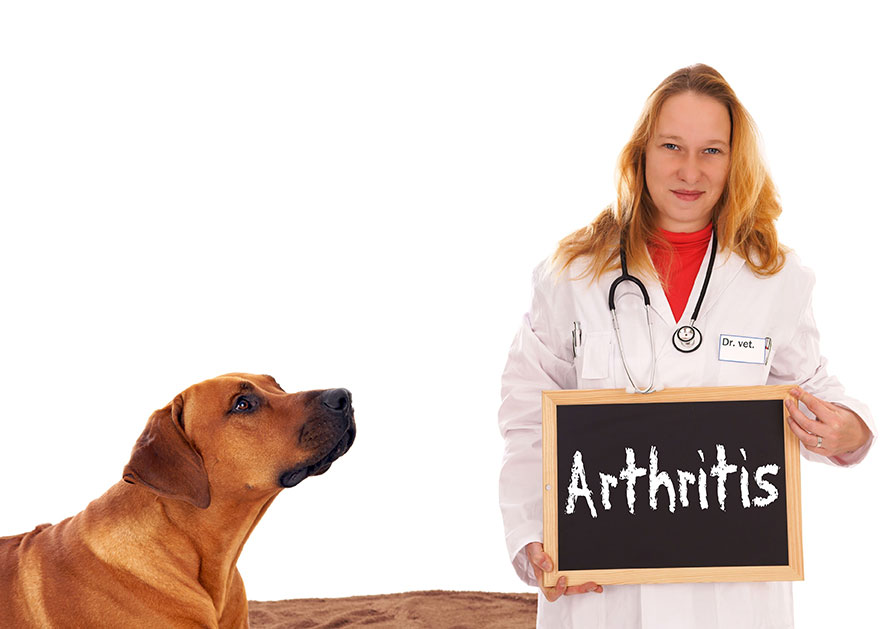
How to Detect Arthritis in Dogs

It can be frustrating and mentally distressing (for both pet and owner!) trying to figure out what’s wrong with your beloved companion. They can’t talk to you in words, so they must rely on your ability to decipher the physical signs they’re giving you. Fortunately there are typically clear indicators that can help you detect arthritis in your dog, or at least to pick up on warning signs so that your veterinarian can make a certain diagnosis.

(Please always consult your veterinarian if you suspect anything is wrong with your pet.)

Warning Signs of Canine Arthritis

Stiffness and lameness: this sign typically begins as a mild level of stiffness after periods of rest. The dog may have trouble getting up, particularly if they were engaging in active play or a vigorous walk before the rest period.

As their DJD (Degenerative Joint Disease) – commonly in the form of osteoarthritis – worsens, the stiffness will become more pronounced and last for longer periods of time. For example, rather than taking just a few seconds to get up and going after coming up from a laying position, your pup could need a few minutes to walk out the stiffness.

Swollen joints: when a dog has a joint problem, scar tissue usually forms around the troublesome area and causes the joint to enlarge. You may notice that your pet has one knee that is noticeably bigger than the other, or the two sides may swell concurrently. It is this scar tissue that causes the dog to have issues with range of movement and pain.

Grating joints: otherwise known as crepitus, this grating sound is the same as the one that humans hear in their joints when they begin to lose cartilage and experience signs of joint problems. Audible sounds from your dog’s joints don’t always mean they have osteoarthritis, but if severe, it’s a good indicator and may mean they’re in a fair amount of pain.

If your dog is experiencing problems in his spine, he may have a hunched back or hold his neck in a strange posture. You may also notice your normally friendly pooch getting cranky and snappy, especially if you pet or touch him in a specific spot.

How Does It Happen?

Osteoarthritis in dogs is often related to a previous injury or health issue. The pain and stiffness will frequently start in a joint that is near another problem area, like a damaged ligament or a hip or elbow affected by dysplasia. While this prior lameness may have ceased to cause symptoms long before, it could still cause joint problems down the road.

What Can You Do?

The first thing you should do is consult your veterinarian if you notice any issues with stiffness or swelling in your pet’s joints. Your vet will examine the dog for heat, fluid, and other signs of a problem around the joint.

If your vet determines that your dog does have osteoarthritis or another form of DJD, he or she may recommend medications, lifestyle adjustments, or other treatments to help ease the pup’s discomfort and slow the damage.

At home you should provide soft, comfortable bedding for your dog to minimize the impact on his body. You can also put steps or a ramp in front of furniture that he’s allowed on, especially if your dog is a smaller breed.

It may come as a surprise, but keeping Rover active is also important even if he suffers from arthritis. The level of activity you encourage your dog to partake in should be commensurate with his age and severity of his joint problems, but in general, all dogs should participate in some sort of physical activity to keep their joints mobile.

By paying attention to your dog’s cues and seeking diagnosis and treatment as soon as possible, you can help your precious pup live a longer, more comfortable life. To learn more, check out the video series here.

SaveSave

Fospice: Hospice for Dogs

There’s a new movement afoot – or should that be a-paw – in the world of animal fostering, and it all started with one person’s inspiration from the ASPCA’s end of life fostering program.

As a part of their comprehensive pet fostering program, the ASPCA sponsors a fospice (foster + hospice) program for animals who are either too young, sick, or injured to go to a forever home. While some of those pets will eventually recuperate and be adopted, there are those who are at the end of their lives due to age or terminal illness.  They deserve love and care at the end of their lives – doesn’t everyone?

Foster Dogs NYC

Sarah Brasky of New York decided that this was a truly rewarding idea and took the fospice concept and ran with it. She founded Foster Dogs NYC which finds and sponsors foster parents for dogs who are living out their golden years in less than optimal conditions. These sweet pooches may be in a shelter, at a rescue, or in danger of owner surrender. Sarah believes that these dogs deserve all the love, dignity, and medical care that a real family offers and her organization provides them with just that.

Foster Dogs NYC started out in 2009, when Brasky was fresh out of college, as a way to help connect rescue dogs with foster families that could give them temporary haven in order to save them from euthanization. Then, in 2013, Brasky added the Fospice program, specifically designed to address the needs of older and terminally ill dogs who need a place to live the rest of their months or years in comfort and peace. She took the ASPCA concept and embellished upon it, making it her own and adding some twists.

How It Works

When a foster parent takes a dog in through Foster Dogs NYC, the organization provides the animal with veterinarian care, supplies, and an array of fun and indulgent gifts from local NYC vendors. When you sponsor a pet through this amazing organization, you’re facilitating:

  • Assistance finding a dog in need a fospice family
  • A dog bed donation from Harry Barker
  • A private photo shoot for the dog and its foster owner so that the owner has a memento to remember his or her foster pet by
  • A 6-month subscription to BarkBox – a service that sends treats and toys to that special pet

Every company that Foster Dogs NYC partners with is based in New York, because supporting local business matters to Brasky.

In order to qualify for the fospice program, the animal must be elderly and/or terminally ill, in the custody of a non-profit 501(c)(3) rescue organization or a shelter, or be in danger of losing their home due to owner surrender.

Foster Dogs NYC doesn’t just serve the animals, they serve people too. The organization offers free Foster Workshops in order to help potential foster parents learn about fostering as well as dog health and care. These workshops are also open to anyone who wants to learn how to be a better dog owner. As a bonus, adoptable pooches also attend the workshops in order to socialize them and allow the attendees to see up close and personal how beneficial the program is for the animals.

Volunteers

Brasky’s group is always looking for volunteers to help spread the word and assist with adoption events, fundraisers, shelter visits, and educational workshops. Those who have the ability to assist with things like photography, event planning, and marketing are always in demand. If you’d like to help out you can check out their volunteer page here.

While Brasky’s fospice program was only able to sponsor five dogs per year in its first couple years, the organization obtained 501(c)(3) status in 2014 and has now been able to place over 20 dogs (and counting!). The worthy cause is growing every day and giving dogs without much time left the love, pampering, and care they deserve.

GreaterGood and the Animal Rescue Site

Dog and Cat in GrassGreaterGood is the retail side of the non-profit organization CharityUSA. The company sources and sells ethically produced products across a wide range of categories like clothing, jewelry, home décor, accessories, holiday items, and more. They even feature lines of fair trade and eco-friendly products.

CharityUSA donates a portion of their sales to a variety of worthy causes, depending upon what branch of the GreaterGood store you purchase from.

Some of the causes are:

The section of GreaterGood that means a lot to us is the Animal Rescue Site – a 3-50% of the proceeds from sales through this site go to buy food for rescue and shelter animals. Direct donations fund things like medical care, transportation, food, and emergency surgery for needy and sick animals. Not only that, but GreaterGood will not sell items that have been tested on animals, nor any product the manufacture of which involves wild or endangered animals in any way.

Where Does Your Donation Go?

When you donate or purchase a product through the GreaterGood Animal Rescue Site, the funds help real animals in real need. Charity partners of The Animal Site include the Humane Society of the United States, The Fund for Animals, the International Fund for Animal Welfare, and Rescue Bank.

Max was a German Shepherd rescued from the Tijuana streets and suffering from hunger and poor health. The Southern California German Shepherd Rescue gave Max a veterinary examination and discovered that he had a spleen tumor. Thankfully Max was able to get the surgery he needed due to a grant from GreaterGood.org. Plus, Max was placed with a forever family!

More on the Animal Rescue Site

This site for a good cause offers a bevy of ways to help, as well as fun features to play around with. The blog highlights a large selection of adorable animals via video – from deer, to fat puppies, to sweet little kittens. They also cover animal news from pet food recalls to heartwarming stories of pets saved from euthanasia in shelters.

Click on the “Free Actions” tab inside the Animal Rescue Site and you’ll be able to choose from a whole menu of options to help animals, at no charge to you – from a “click this button to donate food” link to the Shelter Challenge where you can choose from a list of shelters (or register your favorite!) and then vote for your choice of shelters for a chance to win part of a $100,000 grant for help with food and care of homeless pets.

Head over to the “Gifts That Give More” section and custom-choose the kind of donation you’d like to make – you can choose from everything from pet food for needy animals to medical care like vaccinations. Many donation choices offer a special free gift when you choose to donate to that specific cause – for example, give $25 to help with the care or transport of military war dogs and you’ll get a free American Flag for your car window.

When it comes to animal-related products, it’s tough to beat the GreaterGood Animal Rescue Site selection. From jewelry to clothing, and even footwear, there’s virtually nothing you can’t find to show your love of your cat or dog, or even better, as a gift for that special person. Nab a paw print muffin pan for extra-special morning treats, or for the foodie dog-lover in your life!

If you’re looking for an easy way to help animals across the globe, as well as in shelters right here in the U.S., GreaterGood makes it easy. From free ways to donate food to every pet-themed product you could hope for, the Animal Rescue Site is a win-win for visitors and animals alike.

Never Feed These Foods to Your Dog

It’s no secret that chocolate is bad for dogs – even deadly in some cases. But there are many other food items that your dog shouldn’t have, and some of them will probably come as a surprise.  Protect your beloved pooch from these dangerous human edibles:

    • Alcohol – never give your dog alcoholic beverages. It can cause digestive upset, respiratory problems, tremors, coma, or – in extreme cases – death.
    • Avocado – even though it’s super healthy for humans, avocado (including the leaves and bark) contains a substance called persin, which is toxic to animals.
    • Chocolate (or coffee and any caffeine) – these contain something called methylxanthines, substances present in cacao seeds. These can cause digestive upset, excessive thirst, abnormal heart rhythms, hyperactivity, seizures, and possibly death. Dark chocolate is more dangerous than milk chocolate but it’s best to take stringent measures to keep all chocolate out of reach of your dog (take extra care at Halloween, when candy seems to be all over the place).
    • Citrus – the citric acid in all parts of citrus plants can cause central nervous system issues such as irritation and even CNS depression when consumed in large amounts. Don’t fret too much if your dog eats a piece of the actual fruit – it may upset his stomach but probably won’t hurt him.
    • Coconut (or coconut oil) – when ingested in large amounts the oils in coconut can cause diarrhea and an upset stomach. A very small amount of coconut oil, however, administered once in a while, can help fight off skin irritations caused by fleas or eczema, as well as boost the immune system. Just use in moderation.
    • Fat trimmings and bones – it’s instinct for some people to toss the meat scraps to their dogs. After all, canines’ natural diet is meat, right? Unfortunately the fat found on meats that humans eat can cause pancreatitis in dogs. The bones can break up into splinters and cause serious damage to your pet’s digestive tract.
    • Macadamia nuts – these are exceptionally bad for dogs, causing vomiting, depression, tremors, and hyperthermia. You will usually notice symptoms within 12 hours of consumption, and they can last up to 3 days. Store macadamia nuts up high, out of reach of your precious pooch.
    • Milk and dairy – these seem harmless enough but your furry friends do not have the lactase needed to break down the lactose contained in dairy products. This means that they can get an upset stomach or diarrhea from anything containing milk.
    • Raisins or grapes – we don’t yet know enough about the toxic substance contained in this fruit, but we do know it can cause kidney failure. Better safe than sorry with dogs and grapes or raisins.
    • Raw eggs – while dogs do have short tract digestive systems, which means that foods pass through them much more quickly than in humans and allows them to tolerate things we could not eat without harm – your dog can still get salmonella from raw eggs, just like you can. There is also a chemical in raw eggs that interferes with your pet’s ability to absorb one of the B vitamins.
    • Xylitol – you probably wouldn’t think to be on the lookout for this sweetener, but even though it’s ok for humans, it can cause a release of insulin in your pet, which causes hypoglycemia and eventually liver failure. Symptoms may be vomiting, loss of coordination, and lethargy, progressing to seizures. Watch for this substance in candy, toothpaste, and gum.

There are many other foods that are bad for your dog, such as garlic and onions, nuts, and yeast dough. If you know – or suspect – that your pet has ingested one of the foods on this list, call your vet immediately or contact the ASPCA Animal Poison Control Center at (888) 426-4435.

Best Dog Actors

Admit it, you go to see these movies for the dogs – not the human (or cartoon) actors or the plot!  Sometimes the best actor in a movie is the dog!  Check out this list of some of our favorite dog actors.

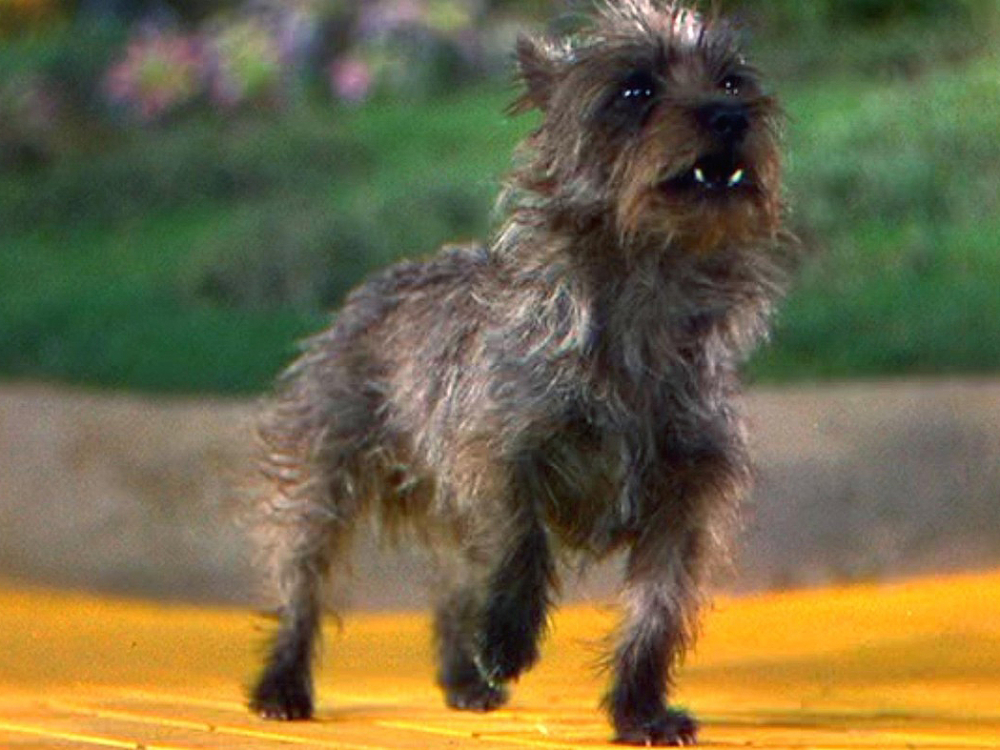
Toto Toto

The “Wizard of Oz” star – a Cairn Terrier named Terry – was paid a handsome $125 per week for her work in the timeless film (more than some of the human actors made!). Her career took off and she ended up starring in 13 movies.

Benji Benji

This popular series of films began in 1974 with a tale of a stray dog who ended up saving the day. Benji was played by a shelter dog named Higgens in the original movie, and later on his own pup Benjean played the character in “Benji” sequels. This beloved film represented one of the first on-screen uses of a dog as the primary character and depicter of various emotions throughout the plotline.

Lady and the Tramp Lady and the Tramp

From, naturally, Disney’s landmark animated film “Lady and the Tramp”. It’s tough to deny the total adorableness of the famous pampered Cocker Spaniel and her mangy suitor Tramp.

Old Yeller Old Yeller

This hero of the film by the same name was literally a lifesaver throughout the entire movie. His heart-touching actions evoked tears from even the hardest of viewers, especially when his sacrifice led to his own demise.

Beethoven Beethoven

The huge, lovable St. Bernard whose adventures with his family were chronicled throughout eight films between 1992 and 2014 was actually played by six different animals. The original Beethoven, a dog named Chris, starred in the first two films.

Rin Tin Tin Rin Tin Tin

Rin Tin Tin was amazing German Shepherd who lived to the ripe old age of 14 was actually rescued by an American Soldier on the battlefields of WWI. His first films were silent, and he went on to become so beloved a movie star that in 1963 he received his very own star on the Walk of Fame.

Marley Marley

We all know the heart-wrenching book-turned-movie features a rambunctious Labrador who keeps his owner captivated with his sweet personality. The part of Marley was actually played by an astonishing 18 different dogs.

Chance and Shadow Chance and Shadow

The sweet if hyper Chance, played by American Bulldog Rattler (voiced by Michael J. Fox) and wise old Golden Retriever Shadow, played by Ben (voiced by Don Ameche) make their way back to their family in a fun, charming, heartwarming way in the film “Homeward Bound”.

Slink Slink

The Eeyoure-esque slinky dachshund from the wildly popular Disney Pixar film “Toy Story” is well-loved for his dry humor and deadpan lines such as “I may not be a smart dog, but I know what roadkill is” (a nod to Tom Hanks’ Forrest Gump character).

Hooch Hooch

Fan of this movie remember the enormous, beer drinking, house destroying French Mastiff from the Tom Hanks film “Turner and Hooch” was played by Beasley. Beasley was born in 1978 and passed away in 1992, with “Turner and Hooch” remaining as his only film legacy.

Petey Petey

Last but certainly not least is this sweet little Pit Bull who played in the “Our Gang” series (which later become “The Little Rascals”) in the 1920s actually did have a ring around his eye. Petey was played by Pal the Wonder Dog, whose nearly complete eye ring was finished by Max Factor with the use of dye. Pal’s story has a sad ending, unfortunately, as in 1930 someone poisoned the little pup and he passed away. It was never known who committed this horribly cruel act, nor what their motivation was. Even though Pal only had a small part in one movie over the course of his career (a cameo appearance in “The Freshman”) he certainly deserves a mention.

As the presence of animals as main characters in film continues to grow, this list will surely grow too!

Surprising Facts about Animal Shelters

Surprising Facts About Animal SheltersIt’s common knowledge that American animal shelters are overflowing with animals and that many of them end up euthanized (31% of dogs and 41% of cats who enter shelters never make it out alive). But there are some things you may not know about these facilities that care for and rehome cats, dogs, and other animals:
  • 20-30% of dogs in shelters are purebred. You don’t have to resort to pet stores or expensive breeders if you want one of these distinguished dogs – check out your local animal rescue, you may be surprised at what you find.
  • Twice the number of animals who enter shelters are strays as compared to owner surrenders, although many of those “strays” are pets who had a home, and – lacking proper identification like a tag, license, or microchip – got lost or separated from their owners.
  • 90% of pets in dog and cat rescues are totally healthy and ready to be adopted – so if the thought of high vet bills has deterred you from taking a furry friend under your wing, now you know there’s no reason to wait.
  • Just 10% of shelter animals arrive at the facility already spayed or neutered. This problem is a major contributor to the fact that roughly seven million animals enter the rescue system each year.
  • The average age of pets who come into the shelter system is about 18 months – so if you thought you couldn’t get a young animal who will give you many years of companionship and love, you will probably be pleasantly surprised.
  • Adult dogs often come into the shelter already trained – which means adopting an older pet not only saves these sweeties from possible doom, but saves you the time and expense of teaching them basic commands. That’s definitely a win-win.

What Can You Do?

There is a multitude of ways you can help animal rescues and the pets that go into them. Adopting a fuzzy friend is certainly ideal, and there are plenty of other creative ways to help as well.

  • Consider adopting an older pet – younger animals usually get taken in by new families first, so passing by the babies and opting for a more mature pup or kitty can literally save their life.
  • If you aren’t in a position to adopt at this time, consider donating food, toys, or treats to your local rescue. These items make the animals’ lives better and free up funds for promoting the really important matters, like adoption.
  • Help reduce strays by utilizing the Humane Society’s trap-neuter-return resources, designed specifically for use on the feral cat population.
  • Use identifying tags on your pet: include your phone number, the pet’s name, and if applicable, the dog license number. Consider microchipping your pet for the ultimate in high-tech safety. Be vigilant about keeping your furry friends indoors and talk to friends and family about the benefits of them doing the same.
  • Write letters to the editor at your local papers and news publications regarding issues like puppy mills, dog fighting, animal abuse, and what local rescues are doing to help. Grassroots movements are often the most effective kind, so use publicity to garner awareness and participation.
  • Get out and vote – when pet protection ordinances come up on your local ballot, you want to be there to help them pass.

The numbers are heartbreaking – estimates show that nearly three million dogs and cats are euthanized each year. Whether these precious creatures enter the system through owner surrender, getting lost, being seized because of abuse, or any other reason, there are things you can do to reduce the numbers and improve the lives of pets everywhere.

Animal Loving Celebs

Many famous people leverage their exposure to the public in order to help animals, either by promoting practices like having your pets fixed, or raising awareness and money for specific animal rescues and other charities. 

Betty WhiteBetty White

This comedically gifted star of Golden Girls and Hot in Cleveland has been a vocal animal advocate for decades. She has been involved with the Greater Los Angeles Zoo Association as well as the Morris Animal Foundation (which conducts health research for animals).  Betty’s personal sponsorship of more than 30 animal health studies through this foundation has improved health for dogs, cats, horses and wildlife.

KeshaKe$ha

Yes, that Ke$ha. The eccentric and at times troubled singer of hits like “Your Love Is My Drug” is not only a pet owner (of both dogs and cats!) but she also doesn’t hesitate to use her fame for the good of other animals like seals, sharks, and lions. The wild songstress is outspoken about cruelty to these beautiful creatures and is also an avid proponent of cruelty-free cosmetics. Her animal activism won her the Humane Society’s Wyler Award in 2013. Now that’s worth singing about.

Sarah McLaclanSarah McLachlan

The soulful crooner who rose to musical popularity through both her affiliation with the concert tour Lilith Fair as well as heart-touching songs like “I Will Remember You” is also a die-hard devotee of animal rights. Sarah’s soul-wrenching song “Angel”, which graces her commercial (yes, that one) promoting fundraising for the ASPCA, has undoubtedly been part of the reason she was able to raise upwards of $30 million for the animal rights group since 2007.

Bob BarkerBob Barker

The legendary 35-year host of The Price Is Right has long been known for his strong views on beloved pets. This celebrity animal lover used to end every episode of the popular game show with a reminder for viewers to get their pets spayed or neutered. Bob’s DJ&T Foundation has raised millions of dollars in support of spaying and neutering programs as well as animal rescues. This stand-up celebrity even relinquished his position as the host of the Miss USA Pageant because of the use of animal furs as Prizes. Bob is a true winner in the celebrity animal activism game.

Howard and Beth SternHoward and Beth Stern

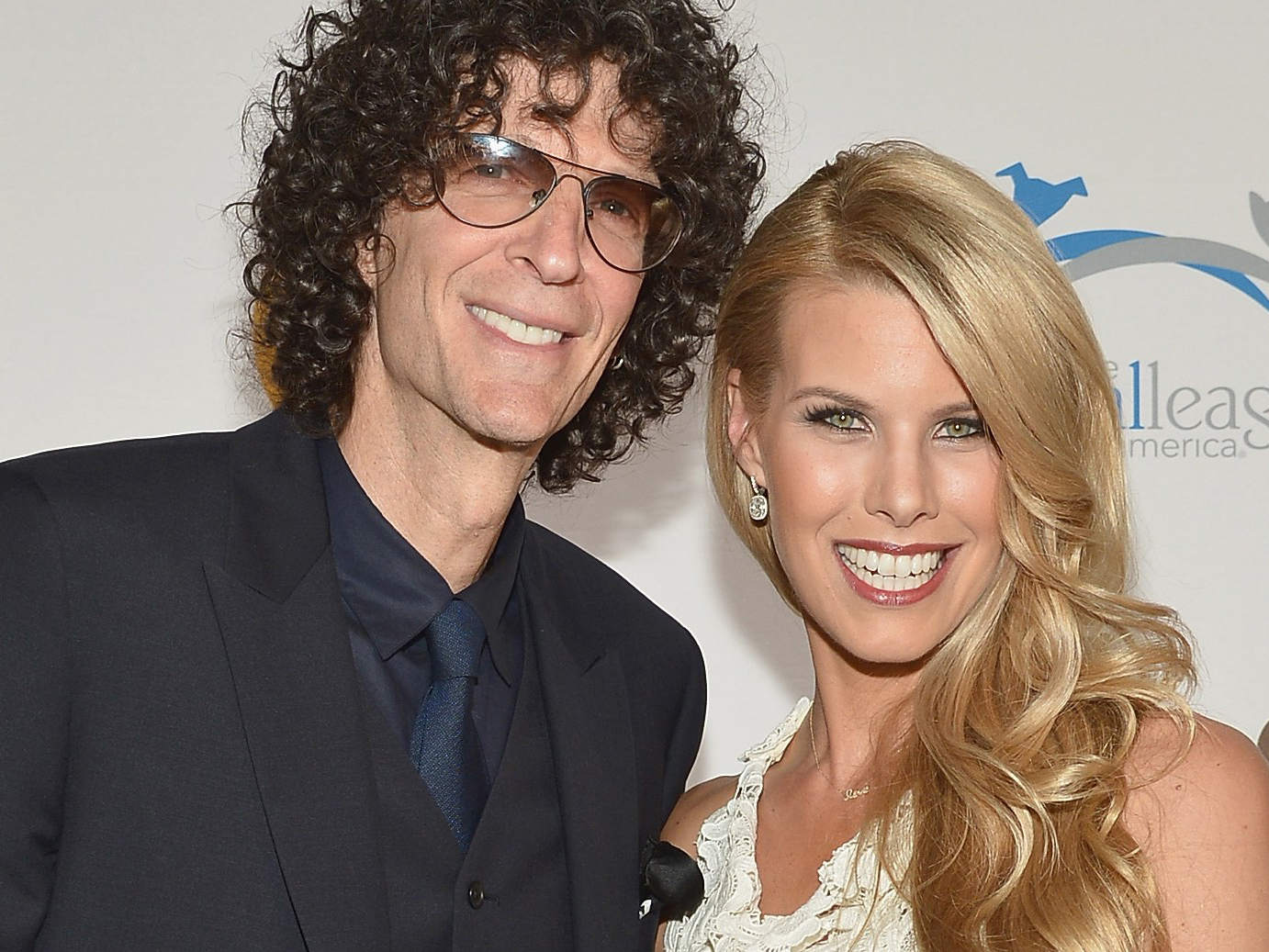
This shock jock has been lighting up the radio and television airwaves for over a quarter of a century with his controversial topics, interviews, and celebrity antics. But Howard and his wife Beth aren’t all about entertainment – they are also celebrity animal activists who are active with the North Shore Animal League. And, in 2011 they produced a calendar packed with irresistibly cute pets in order to raise money for the animal rescue. The surprisingly un-shocking behavior is a win for animals as well as Howard’s image.  Beth Stern just released a book entitled “Yoda: The Story of a Cat and His Kittens” and she is donating 100% of the proceeds to North Shore Animal League.   The book can be purchased here.

Simon CowellSimon Cowell

Indisputably the cruelest of the American Idol judges, Simon Cowell is just a softie underneath – as evidenced by his celebrity animal activism. The former talent judge has been very outspoken about leaving pets in hot cars, as well as the unethical nature of the fur trade and the benefits of adopting from an animal rescue rather than buying a designer pet. Simon put his heart where his mouth is by adopting two adorable little terriers in 2010. In addition to all of these lovable animal activism actions, Cowell leveraged his celebrity power to put a stop to an X-Factor dolphin segment. He is also active in the fight against captive dolphins and whales. It’s hard to find anything to criticize about that performance!

OUR STOREBeing Pawsitive is a print on demand shop for all animal lovers, vegans, and free spirits
CUSTOMER SERVICESWe pride ourself on customer satisfaction. View our policies and reach out with any questions.

Subscribe to Our Newsletter!

Subscribe

* indicates required

Intuit Mailchimp

Copyright© 2025 Being Pawsitive. All Rights Reserved. 

Add to cart