
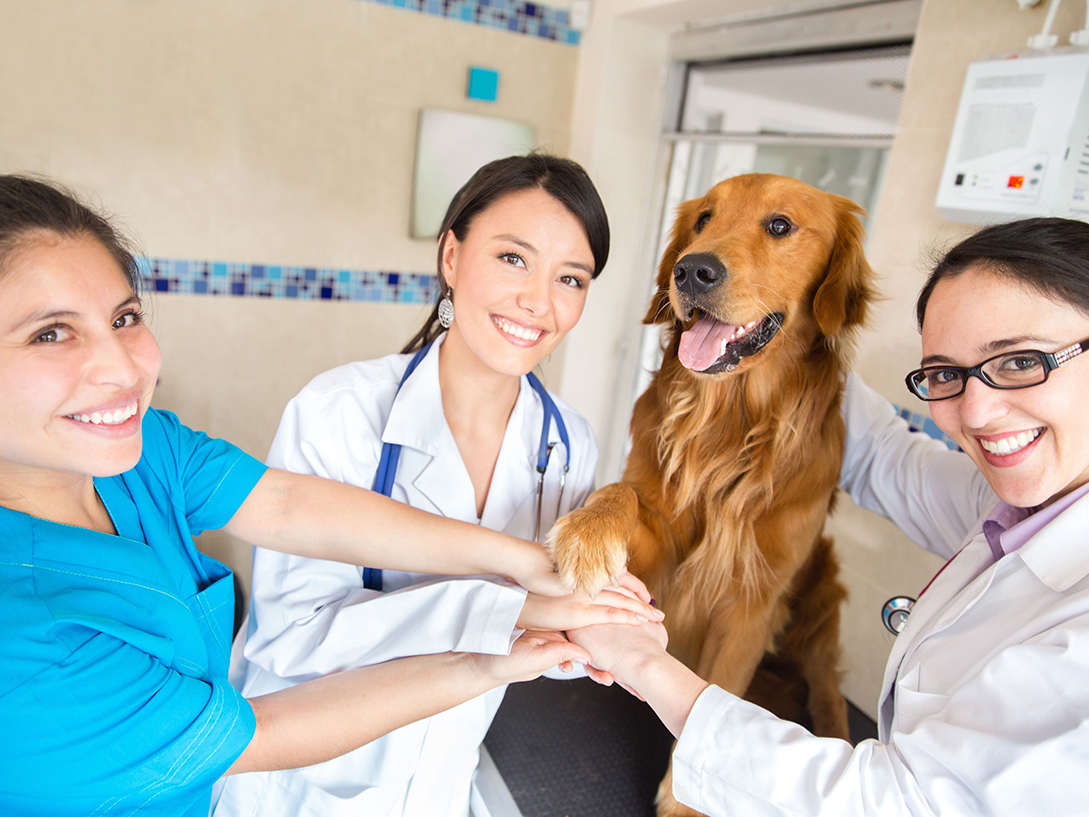
 Your pet’s vet is second only to you in terms of importance in its life. You not only want to find one who is a skilled animal medical expert, but is also good with people and will work as a team with you in order to devise the best possible health solutions for your beloved furry friend.
Your vet doesn’t work alone – there are veterinary technicians, office staff, and other important members of your veterinarian’s team involved in your pet’s care so you want to be sure that all of these people are a good fit for you, your family, and your dog, cat or other animal companion. Don’t wait until that emergency moment when you need the help of a professional – search and pick a vet ahead of time so that you have an established relationship with your pet’s doctor for when that time comes that you do need him or her.
Where to Start
Referrals from friends and family are a great way to begin your search for a vet. People are always happy to talk about a care provider with whom they’re thrilled, so pick the brains of anyone you know who has a pet or even works with them, like your groomer or boarding facility staff. Animal shelters also often have good recommendations.
You also want to check whether your potential candidates are accredited by the American Animal Hospital Association. This seal of approval indicates that your animal hospital has sought out and met the AAHA’s standards for care, equipment, and facility quality. In addition, specialists will possess board certification, which may be important if your pet has specific care needs such as dental or cancer treatment, and even alternative medicine.
What to Consider in a Veterinary Practice

- Number of doctors
- Appointment protocol
- Cleanliness and organization of the facility
- Separation of dog and cat cages
- Courteous, caring, competent staff
- In-house lab work and other procedures like X-rays
- Location
- Rates that fit your budget
Your Role on the Team
It’s not just the vet who needs to be conscientious. Being a good client is also a vital factor in the success of your dog or cat’s health care. Here are some good tips for being a well-mannered partner in your pet’s care:
- Schedule regular preventative visits rather than just showing up when your pet gets sick.
- Make it to your appointments on time. Being late affects everyone’s schedule, including the vet’s.
- Always use an appropriate carrier to transport your animal to and from the office.
- Call your vet at the first sign of a problem – you know your pet and if they’re acting “off”, the chances of the doctor successfully treating them are much better if you don’t wait too long.
- If you do have an emergency, call anyway rather than just showing up unannounced. It may be that your veterinarian is booked up and will need to refer you to an emergency clinic, so you don’t want to waste valuable time.
These steps will help ensure the best, most efficient care for your precious pet. By working together as a team you and your veterinarian can keep your pet safe and healthy.
If you do have a serious problem with care administered by a vet, you can contact the ethics committee of your state’s veterinary association, or the American Veterinary Medical Association. But if you follow these common sense guidelines you are much more likely to end up very happy and comfortable with the partnership you’ve created with your pet’s caregiver.
